
The juwai morning teer result is the first set of numbers many teer followers look for each day, and it rewards people who know how to check fast. Morning rounds in Juwai are declared earlier than the afternoon and evening rounds most players are used to, which means the numbers can appear online, get copied across sites, and fill the day’s teer result list before many people have even finished breakfast. If you have ever opened a result page ten minutes after declaration and found it still blank, or refreshed for half an hour while friends already knew the numbers, this guide is for you. Below is a speed-first walkthrough: when the Juwai morning rounds are declared, how fast the numbers reach the internet, the exact refresh routine that wastes the least time, what to do when the result is late, and how to set up your morning so you see the numbers without waiting around.
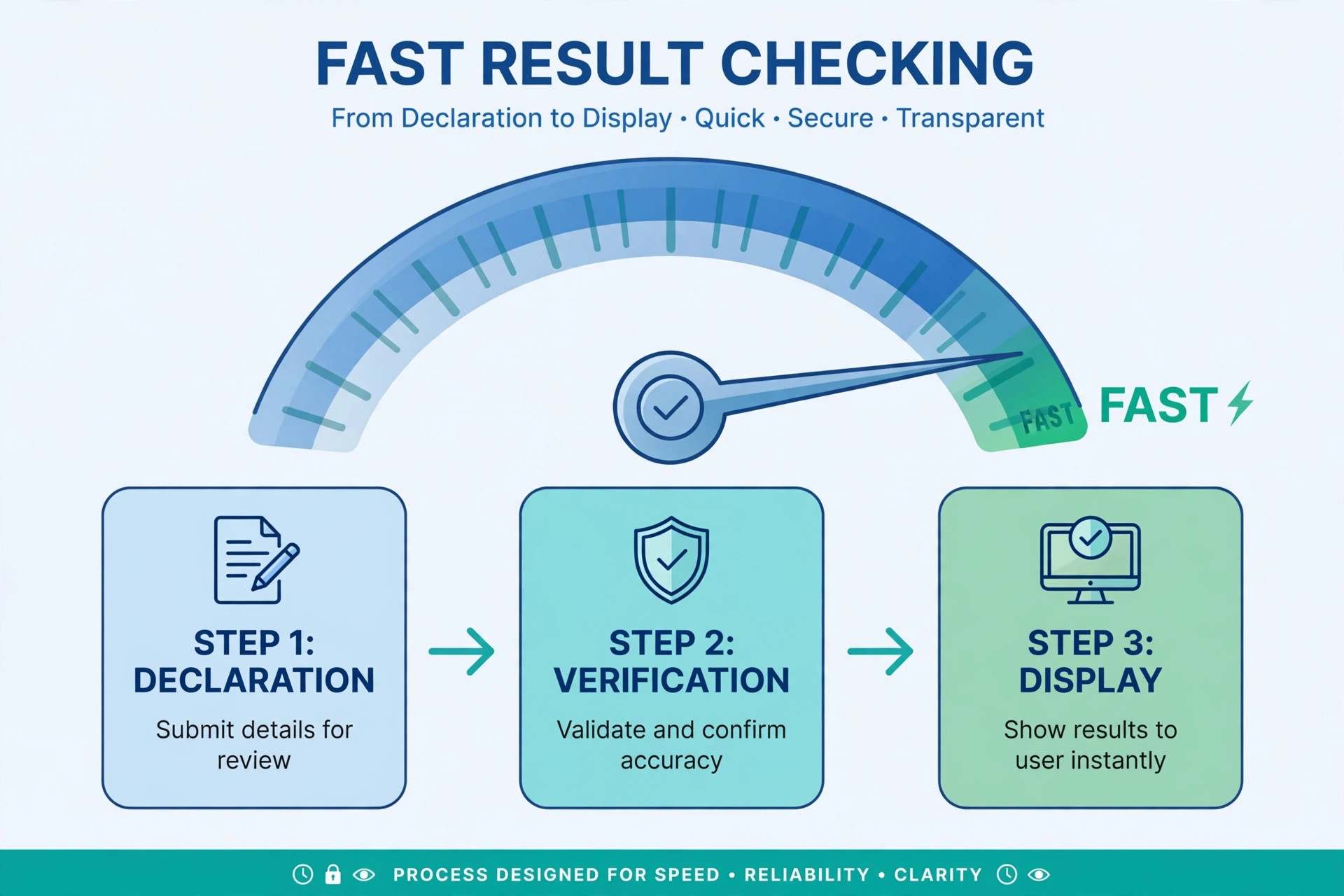
Why the juwai morning teer result deserves its own speed strategy
Most teer checking advice is written for the big afternoon and evening rounds, so it tells you to check “after 4 PM” or “around 5 PM.” That advice is useless for the morning game. Juwai morning teer runs on its own clock, the declaration happens while most of the internet is still waking up, and the window between declaration and online publication is where speed matters. A morning player who checks at the wrong time wastes the whole morning; a morning player who checks at the right time with the right method sees the numbers in seconds.
The morning game also behaves differently on the publishing side. Fewer sources carry morning results than afternoon results, so you cannot always rely on your usual five websites. Some pages update the morning numbers within minutes, others batch them with the afternoon session hours later. Knowing which behavior to expect, and having a backup source ready, is the difference between a ten-second check and a two-hour wait.
This guide keeps everything practical. You will not find number predictions here, because predictions have nothing to do with speed. What you will find is a repeatable routine: prepare your sources before the round, know the declaration windows, check at the right moment, handle delays without panic, and record what you need in seconds.
When the Juwai morning rounds are actually declared
The single most common reason people “miss” the morning result is that they arrive at the wrong time. Juwai morning teer has two rounds, like every teer session: the first round (FR) and the second round (SR). Both are declared in the morning, which is what makes this session distinct. Exact declaration times can shift with the season, local schedules, and the day of the week, so treat published clock times as expectations rather than promises. What matters for speed is the shape of the day, not a single fixed minute.
The first round window
The morning first round is the earlier of the two declarations. Archery for the morning session typically takes place in the late morning hours, and the FR number is announced shortly after the archery concludes. In practice, most followers expect the FR number to surface around the mid-morning period. If you check too early, you will see yesterday’s numbers or an empty slot, and refreshing every thirty seconds for an hour before declaration is the classic beginner mistake that burns time and data.
The smarter move is to arrive at your result page a few minutes before the expected window opens, load the page once, and then refresh at calm intervals. You want to be present when the number lands, not exhausted from an hour of premature refreshing.
The second round window
The SR declaration follows the FR after the second round of archery. The gap between the two is usually measured in tens of minutes rather than hours, which is why morning players often check both numbers in one sitting. Once you have the FR number, stay on the page or keep your source open; the SR number will typically follow within the same morning stretch.
A useful mental model: the morning session is one compact event with two beats. FR is the first beat, SR is the second, and the whole event usually fits inside a morning window. Plan a single focused checking session instead of two scattered ones.
Getting the juwai morning teer result online as fast as possible
Speed comes from preparation, not from frantic clicking. If you want the juwai morning teer result today as early as possible, the fastest checkers all do the same handful of things, and none of them take more than a few minutes to set up the night before or early in the morning.
Step 1 – Pick one primary source and one backup
Choose a single result page you trust and make it your primary source. Your primary source should be a page that historically updates morning numbers quickly and shows the date clearly so you never confuse yesterday with today. Then pick one backup source with the same qualities. Two sources is the sweet spot: one source leaves you blind when it lags, and five sources turn checking into a chore.
Bookmark both. Better still, keep them as open tabs in your mobile browser overnight, or pin them to your home screen if your browser supports it. The goal is zero navigation time: one tap, and you are looking at the page that will carry the number.
Step 2 – Confirm the date before you read the number
Morning results get misread more often than afternoon results, and the reason is simple: pages that have not updated yet still show yesterday’s morning numbers. A stale page with yesterday’s FR number looks exactly like a fresh page with today’s FR number unless you check the date label. Make it a habit: date first, number second. This two-second habit prevents the most embarrassing morning mistake, which is sharing yesterday’s number as today’s.
Step 3 – Understand the publication lag
Declaration and publication are two different events. The number is declared at the ground first, then it travels: someone records it, someone types it into a publishing system, the page updates, and your browser fetches the new version. That chain usually takes a few minutes, sometimes longer on busy days. Knowing this lag exists stops you from assuming a blank page means “no result today.” It usually means “result declared, page not updated yet.”
Step 4 – Check in the right order
The fastest routine is: primary source first, date check, number read. If the primary source is stale, go to the backup immediately instead of refreshing the primary source twenty times. If both are stale, the result is probably still in the publication lag, and the correct move is to wait a few minutes and retry, not to open ten more websites.
How quickly morning numbers reach the internet after declaration
New players often imagine that the number appears online the instant it is declared. In reality there is a short pipeline, and understanding it helps you time your checks.
First, the number is declared at the venue after the archery round ends. Second, it is communicated to the people who run result pages, usually through direct contacts or messaging groups. Third, an editor or an automated feed updates the website. Fourth, your browser loads the updated page. Each step adds a little time, and the total is typically measured in minutes, not seconds.
Automated or semi-automated pages tend to publish faster than manually updated ones, which is one reason a dedicated Juwai teer result page that prioritizes speed can beat a general page that updates everything in batches. On a normal day, expect the morning FR number to be visible online within several minutes of declaration, with SR following the same pattern after its own declaration. On unusual days, festivals, weather disruptions, or technical problems at the source can stretch the lag.
There is also a caching wrinkle worth knowing. Some pages and some browsers serve a cached copy of the page, which means you can refresh and still see the old version even though the site has already updated. If your primary source is known to update fast but your screen still shows yesterday, a hard refresh or clearing the page from your browser cache often fixes it instantly.
Smart refresh habits that actually save time
Refreshing is where most people waste their morning. The instinct is to hammer the refresh button, but that strategy is slow in a counterintuitive way: it burns your attention, drains your battery, and does not make the number arrive any sooner. These habits do the real work.
Refresh on a rhythm, not on anxiety
Set a rhythm: refresh once every two to three minutes during the expected declaration window. That is frequent enough to catch the number within minutes of publication and calm enough to keep you sane. Outside the window, do not refresh at all. The window is the only time refreshing has value.
Let the page do the work where possible
Some result pages update automatically or show a “last updated” timestamp. If your primary source has a visible update time, watch that instead of the number itself: a fresh timestamp with no number yet tells you the page is live and the number is coming. If the page is static, your two-to-three-minute rhythm is the tool.
Keep your connection lean
A heavy page with ads, videos, and popups loads slowly on a weak morning connection, and every slow load adds seconds to each check. If your primary source has a lightweight or mobile-friendly version, use it. Close other tabs, pause background downloads, and if you are on mobile data, make sure you have a decent signal before the window opens. Seconds matter most in the first minute after publication.
Read once, record once
When the number appears, read it carefully, confirm the date, and record it immediately in whatever you use: a note, a message to your group, or your own tracker. Re-reading the page five times “to be sure” is another quiet time sink. Trust the date check, record the number, and move on to waiting for the second round.
What to do when the juwai morning teer result is delayed
Delays happen, and they happen for ordinary reasons: the archery runs late, the communication chain hiccups, the publishing site has a technical issue, or the day is simply a non-working day for the session. A delay is not a mystery to solve by refreshing harder. It is a situation to handle with a short checklist.
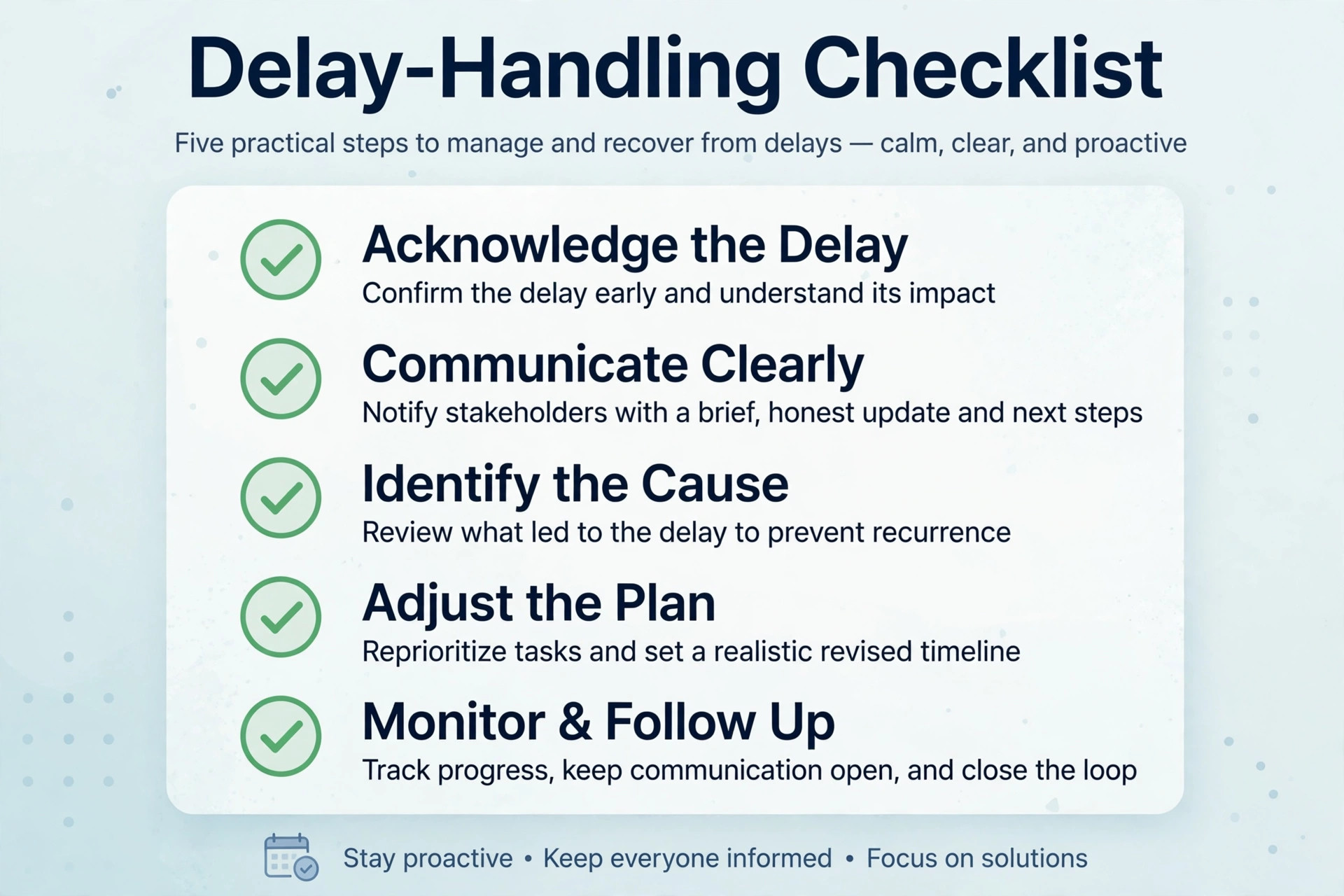
Step 1 – Rule out a non-working day
Before anything else, confirm the session is actually running today. Teer sessions do not run every single day of the year; Sundays and certain holidays are commonly off, and special circumstances can pause a session. If no morning result exists because there is no morning session today, no amount of refreshing will produce one. A quick check of the week’s schedule or an announcement on your trusted source settles this in seconds.
Step 2 – Check your backup source
If your primary source is blank but the session is running, open your backup source immediately. When one site lags and another is current, the problem is with the site, not the result. This single step resolves most “delay” complaints, because most delays are publication delays on one page, not declaration delays at the ground.
Step 3 – Verify you are looking at today
Scroll up and read the date label again. Stale pages are the number one cause of false delay reports: the page shows yesterday’s numbers, you assume today’s are late, but today’s simply have not been published on that page yet. If the date says yesterday, you are early or the page is stale, not facing a delay.
Step 4 – Widen the window before you worry
If both sources are blank and the date is correct, give it time. Extend your checking window by thirty to sixty minutes past the usual declaration period before treating the situation as a genuine delay. Morning sessions can run late for ordinary logistical reasons, and the numbers almost always surface within the extended window.
Step 5 – Look for an announcement, not a number
When a real delay or cancellation happens, trusted sources usually post a short note rather than leaving the slot blank forever. Look for announcements about late archery, weather, or technical issues. An announcement is information too: it tells you when to come back instead of refreshing blindly.
What never helps
Opening fifteen websites, refreshing every ten seconds, and asking in five different groups whether “the result came” does not speed anything up. It fragments your attention and fills your morning with noise. Two sources, a calm rhythm, and the checklist above will get you the number faster than any amount of frantic clicking.
Getting the morning numbers without waiting around
The fastest check is the one you barely have to perform. With a little setup, you can shrink the morning routine to under a minute of actual effort.
Start the night before or early in the morning: open your primary and backup sources in tabs, confirm both show the correct date structure, and note the expected declaration window. Set a single alarm or reminder for a few minutes before the window opens, not for the exact minute of declaration, because you want to arrive just before the action, not after it.
When the reminder goes off, open the primary tab, do the date check, and refresh on your two-to-three-minute rhythm. The moment the FR number appears, record it, then keep the tab open for the SR beat. Most mornings, both numbers are captured within one short sitting, and you are done before the day has properly started.
If you follow results with friends or a group, agree on a simple protocol: one person watches the primary source, posts the number with the date the moment it lands, and everyone else stands down. Five people refreshing the same page is five times the wasted effort; one watcher with a clear post is faster for everyone.
Morning teer and the rest of your day
The Juwai morning session is only one part of the daily teer calendar. Many followers check the morning numbers and then move on to the afternoon and evening sessions later in the day. Keeping the morning check fast and compact leaves you free for the rest of the day instead of letting result-checking sprawl across your morning.
If you track results over time, keep the morning numbers in their own section of your records, clearly labeled with dates. Morning and afternoon sessions are separate events, and mixing their numbers in one undated list is a common source of confusion later. A simple dated list, with FR and SR marked for each day, is all you need. You can keep the habit consistent by reviewing the full teer result list at the end of the day to confirm your morning entries match the published record.
A note on responsible play
Teer is a legal lottery in Meghalaya, conducted under the regulation of the state government, and it is strictly for adults aged 18 and above. Treat it as entertainment with a fixed budget, never as a source of income, and never chase losses. If checking results starts to feel stressful or compulsive rather than fun, step back and take a break. For background on the game itself, see the Teer article on Wikipedia and the official Government of Meghalaya portal, and you can read more about how this site operates on our about us page. If you ever need a breather from the morning routine, the numbers will still be there tomorrow.
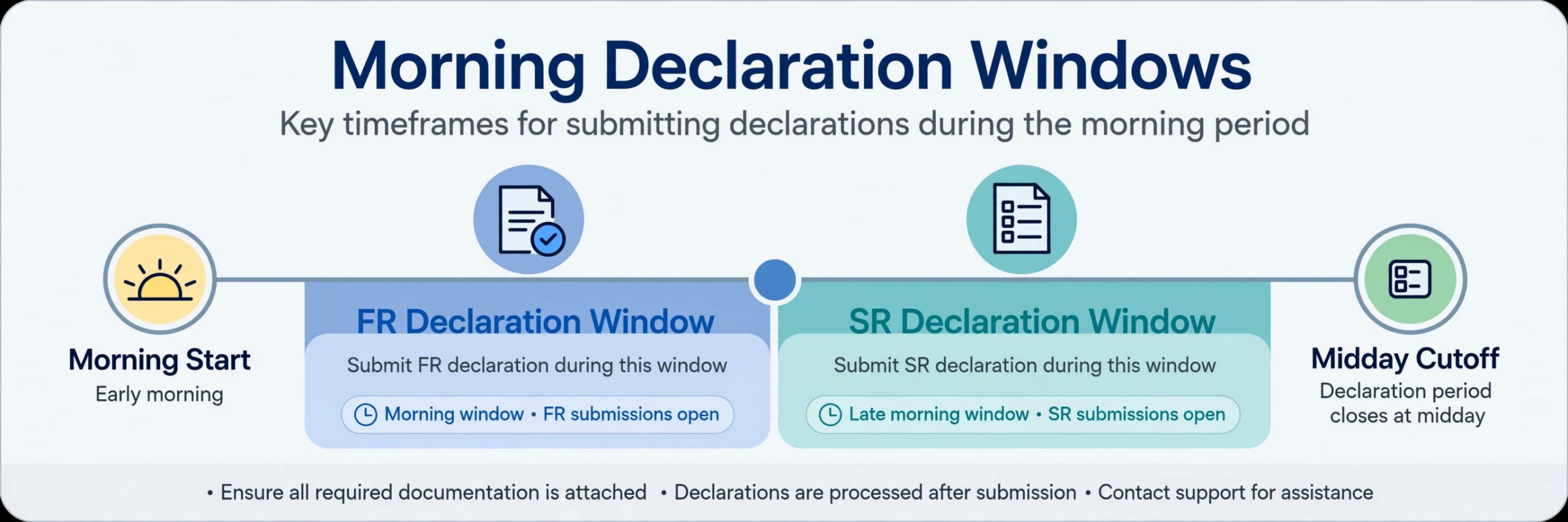
When the juwai morning teer result drops – a speed timeline for your morning
It helps to see the whole routine as a timeline. Here is the shape of a well-run morning, from preparation to done.
The evening before or first thing in the morning, you prepare: tabs open, sources bookmarked, reminder set for just before the expected window. This takes two minutes and pays for itself every day. A few minutes before the window, you arrive: primary source loaded, date format confirmed, connection checked. During the window, you run the rhythm: refresh every two to three minutes, date first, number second. When FR lands, you record it in seconds and stay on the page. When SR lands, you record it the same way. Then you close the tabs and get on with your day.
The whole active portion usually fits inside half an hour, and on smooth days it is closer to fifteen minutes. Compare that with the unstructured approach: an hour of early refreshing, twenty minutes of confusion over yesterday’s numbers, another half hour of delay panic, and a morning lost. The timeline is the strategy.

Common mistakes that slow morning checkers down
Speed is as much about avoiding slow habits as adopting fast ones. These are the mistakes that cost morning players the most time.
The first is checking too early. Arriving an hour before the window and refreshing continuously is pure waste. The number cannot appear before it is declared, and early refreshing only tires you out before the moment that matters.
The second is trusting a page without checking its date. Yesterday’s numbers on a stale page have misled countless morning checkers. The date check takes two seconds and eliminates this entire category of error.
The third is having no backup source. When your only source lags, you are stuck: you cannot tell whether the result is delayed or the page is slow. A backup source answers that question in one tap.
The fourth is confusing sessions. Juwai morning, Shillong afternoon, Khanapara evening: these are separate events with separate numbers. Reading an afternoon number as a morning number, or vice versa, creates confusion that takes longer to untangle than the original check took.
The fifth is treating every blank page as an emergency. Most blank pages during the window are just publication lag. The checklist in the delay section exists precisely so you can tell ordinary lag from a real problem without panic.
Building your personal morning routine
Everyone’s mornings look different, so adapt the routine to yours. If you commute during the window, your phone and a mobile-friendly source are the whole setup; keep the two tabs open and check at red lights of your attention, not while moving. If you are at a desk, a pinned tab and a quiet reminder work perfectly. If you check with a group, assign the watcher role in rotation so no one person carries the morning every day.
Review your routine once a week. Which source was faster most days? Did you arrive too early or too late? Did any delay catch you without a backup? Small weekly adjustments compound: after a month, your morning check will be noticeably faster and calmer than when you started.
The deeper principle is that speed in result checking is a system, not a reflex. Fast reflexes help in the final seconds, but the system, prepared sources, correct timing, calm rhythm, delay checklist, is what puts you in position for those final seconds to matter. Build the system once, run it daily, and the juwai morning teer result becomes a thirty-second task instead of a morning-long project.
Juwai Morning Teer Result – Frequently Asked Questions
What is the juwai morning teer result?
The juwai morning teer result is the declared outcome of the morning archery-based teer session held in Juwai, Meghalaya. Like other teer sessions, it has two rounds, FR (first round) and SR (second round), and each round produces a two-digit number. The morning session is distinct because both rounds are completed in the morning hours, unlike the afternoon and evening sessions most players follow. This guide covers how to check it quickly, not what the numbers will be.
When is the juwai morning teer result declared?
Both rounds are declared in the morning after their respective archery rounds conclude. The first round number typically surfaces in the mid-morning period and the second round follows within the same morning stretch, usually tens of minutes later. Exact times can shift with seasons, local schedules, and the day of the week, so treat clock times as expectations and focus on the window rather than a fixed minute. Arriving a few minutes before the expected window and refreshing every two to three minutes is the most reliable approach.
How fast does the juwai morning teer result appear online?
On a normal day, the number usually appears on fast-updating result pages within several minutes of declaration. The chain runs from declaration at the venue, to communication with publishers, to the page update, to your browser loading it, and each step adds a little time. Manually updated pages can be slower than automated ones. If your page is still blank several minutes past the expected time, check your backup source before assuming a delay.
Why does my page still show yesterday’s juwai morning teer result?
Because the page has not updated yet for today. Pages that have not published the current day’s numbers keep showing the previous day’s numbers, and a stale page looks identical to a fresh one unless you read the date label. Always check the date before reading the number. If the date says yesterday, the page is stale: try a hard refresh, clear the cached page, or switch to your backup source.
What should I do if the juwai morning teer result is delayed today?
First confirm the session is actually running today, since teer does not run every day of the year. Then check your backup source to rule out a single slow site, re-verify the date on the page, and extend your checking window by thirty to sixty minutes before worrying. Look for announcements about late archery or technical issues rather than refreshing blindly. Most delays resolve within the extended window.
Is there a juwai morning teer result on Sundays and holidays?
Not always. Teer sessions commonly pause on Sundays and certain public holidays, and special circumstances can pause a session on other days too. Never assume a missing result means a technical problem: check whether the session is scheduled to run that day first. Your trusted result source or the week’s schedule will usually note non-working days.
Can I get the juwai morning teer result without constantly refreshing?
Yes. Prepare the night before: bookmark one primary and one backup source, keep them in open tabs, and set a single reminder for a few minutes before the expected declaration window. When the reminder goes off, open the primary tab and refresh every two to three minutes until the numbers land. If you check with friends, rotate a single watcher who posts the number with the date, so everyone else can skip the refreshing entirely.
Does this site publish the juwai morning teer result?
Fast Teer Results publishes teer results with a focus on speed and clarity, including dedicated coverage of the Juwai session. Visit the homepage at Fast Teer Results for the latest updates, the Juwai teer result page for Juwai-specific coverage, and the teer result list for the broader daily record. Always confirm the date on any result you read.

Conclusion
Checking the juwai morning teer result fast is a skill, and like any skill it improves with a system. Prepare your two sources, arrive just before the declaration window, refresh on a calm rhythm, confirm the date before every read, and run the delay checklist instead of panicking when a page is blank. Do that daily and the morning numbers become a quick, reliable part of your routine rather than a slow, uncertain chore. Keep it fast, keep it calm, and keep it responsible: verify the date, record the numbers, and enjoy the rest of your day.