
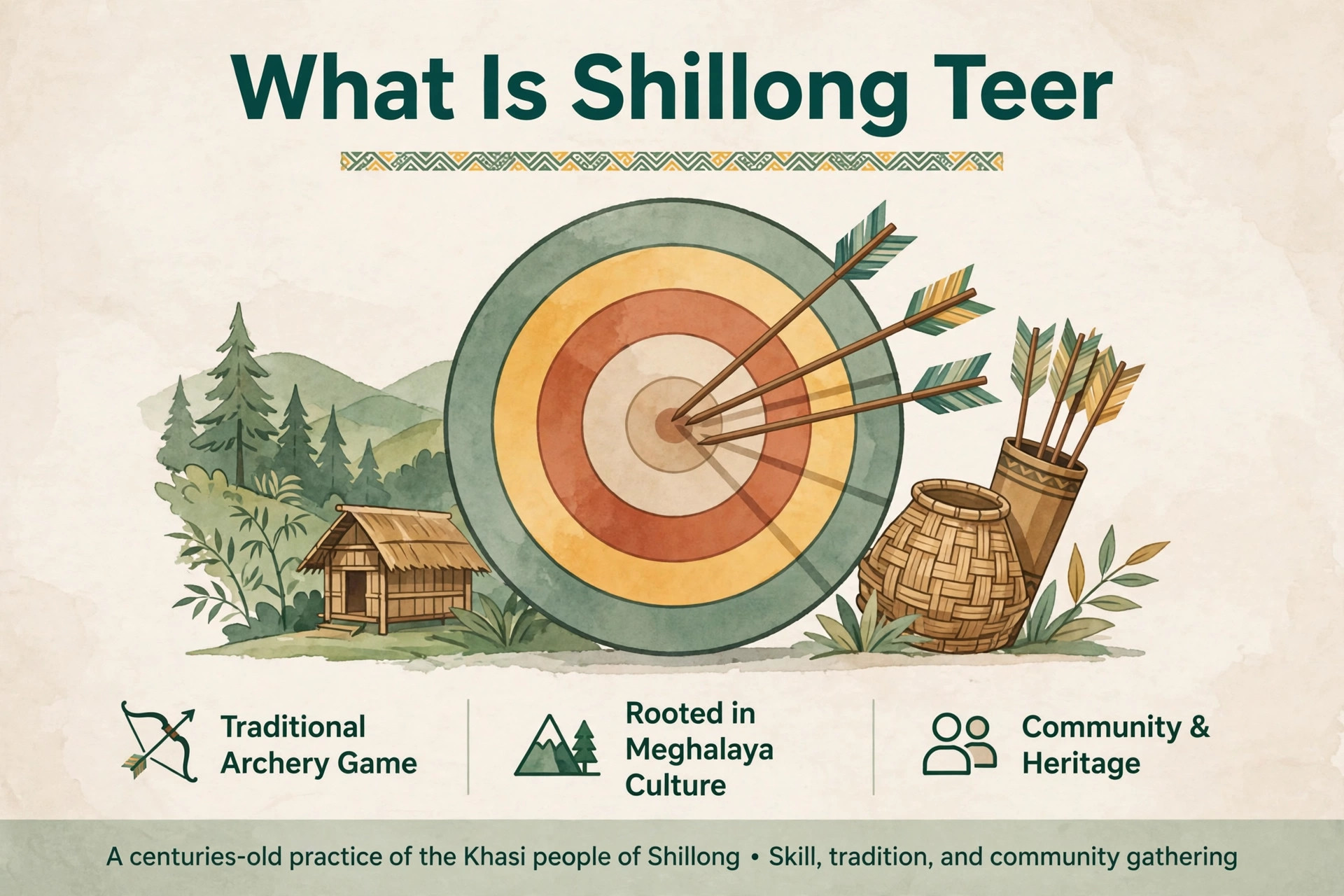
If you have ever searched for “what is shillong teer” and felt confused by the jargon, you are not alone. Shillong Teer is an archery based lottery played every day in Shillong, the capital of Meghalaya in Northeast India. In simple terms, a group of skilled archers shoots arrows at a traditional target, officials count how many arrows hit, and the last two digits of that count become the winning result for that round. It is legal, it is regulated by the state, and it has been part of local culture for decades. This guide walks you through the whole thing from a beginner’s point of view, so that by the end you understand exactly how the teer game works, when results come out, and how to read them like a local.
What Is Shillong Teer – A Simple Definition
The phrase “what is shillong teer” deserves a clear answer before anything else. Shillong Teer is a daily lottery organized around the sport of archery. Licensed betting counters across Shillong sell tickets for two rounds of play each day. During each round, dozens of archers take their positions and shoot arrows at a cylindrical bamboo target from a fixed distance. When the shooting is done, officials count the arrows that struck the target. The result of the round is the last two digits of the total number of arrows that hit. If, for example, 573 arrows hit the target, the declared result would end in 73 (example only, not a real result). That two digit number is what ticket holders compare against their tickets.
What makes this different from a typical number draw is that real people, real bows, and real arrows decide the outcome. There is no machine spinning balls and no computer generating numbers. The human element is the heart of the game, and it is why so many people find teer more exciting than an ordinary lottery. It sits at the meeting point of sport and chance, and that combination is exactly what has kept it popular for generations.
Teer Means Arrow – The Archery Core
The word “teer” itself comes from a Hindi and Urdu word meaning arrow. Long before there were betting counters and printed tickets, archery was simply part of everyday life for the Khasi people of the Khasi Hills around Shillong. Young men learned to shoot as a matter of pride and skill, and friendly shooting contests were a normal part of village gatherings. The modern teer game grew directly out of those contests. The target used today, a tall cylinder of tightly bound straw, echoes the traditional targets that archers have aimed at for centuries.
This is worth knowing because it explains why the game looks the way it does. The archers you see in a teer round are not actors hired for a show. They are members of archery clubs who shoot regularly, and many of them have been shooting since childhood. Understanding that cultural root also helps you appreciate why the state treats the game seriously enough to regulate it rather than ban it.
A Legal Lottery, Not a Guessing Game
One of the most common beginner mistakes is treating Shillong Teer like an underground guessing game. It is not. The Meghalaya Amusements and Betting Tax Act gives the activity a legal framework, and licensed operators run it openly under government supervision. A portion of the revenue goes to the state as tax, which is one reason the government keeps the system orderly. Tickets are sold at authorized counters, results are declared publicly, and payouts follow published prize rules.
That legal status matters for you as a reader. It means you should only ever play through licensed counters if you choose to participate, and you should only trust result information that comes from credible sources. Anything that looks like an unofficial or secret draw is not the real teer game. The legal teer lottery has fixed venues, fixed timings, and fixed procedures, all of which this guide explains.
Shillong Teer History – From Village Pastime to State Lottery
To really answer “what is shillong teer,” it helps to know where it came from. The shillong teer history stretches back much further than the printed ticket era. Archery has been practiced in the Khasi Hills for centuries, originally as a hunting skill and later as a celebrated sport. Community archery contests were social events where villages competed, reputations were made, and spectators gathered to watch.
Traditional Roots in Khasi Archery Culture
In the Khasi tradition, the bow is more than a tool. Archery contests were held during festivals and important gatherings, and the best archers earned genuine respect in their communities. Spectators naturally began placing friendly wagers on which archer or team would shoot best. Over time, those informal wagers grew into an organized side activity at the contests. Nobody sat down and invented the teer lottery in a single meeting. It evolved, step by step, out of something the community already loved doing.
The target design also comes from this era. The tall cylindrical target, traditionally made of tightly bound straw, was built to be shot at from a distance with many archers shooting at once. When the modern game needed a way to turn a group shooting session into a lottery, the old target was already perfect. Counting the arrows that hit it gave a natural, visible, and hard to rig outcome.
How It Became the Meghalaya Teer Lottery
As the betting side of the contests grew, the state government of Meghalaya stepped in to regulate it. Rather than pushing the activity underground, the government licensed it, taxed it, and set rules for how it must be conducted. Licensed bookmakers were allowed to sell tickets, but only at authorized counters and only under supervision. The Khasi Hills Archery Sports Association became the key organizing body for the sporting side, coordinating the archery clubs and the conduct of the rounds.
This arrangement is unusual in India, where most forms of betting are restricted, and it is the reason the meghalaya teer system is often described as unique. The regulation did not kill the tradition. It gave it structure. Today the game runs on a fixed daily schedule, results are declared openly at the shooting ground, and the whole process is visible to anyone who cares to watch. That transparency is one of the strongest arguments its supporters make for keeping it legal.
What Is Shillong Teer – How the Two Daily Rounds Work
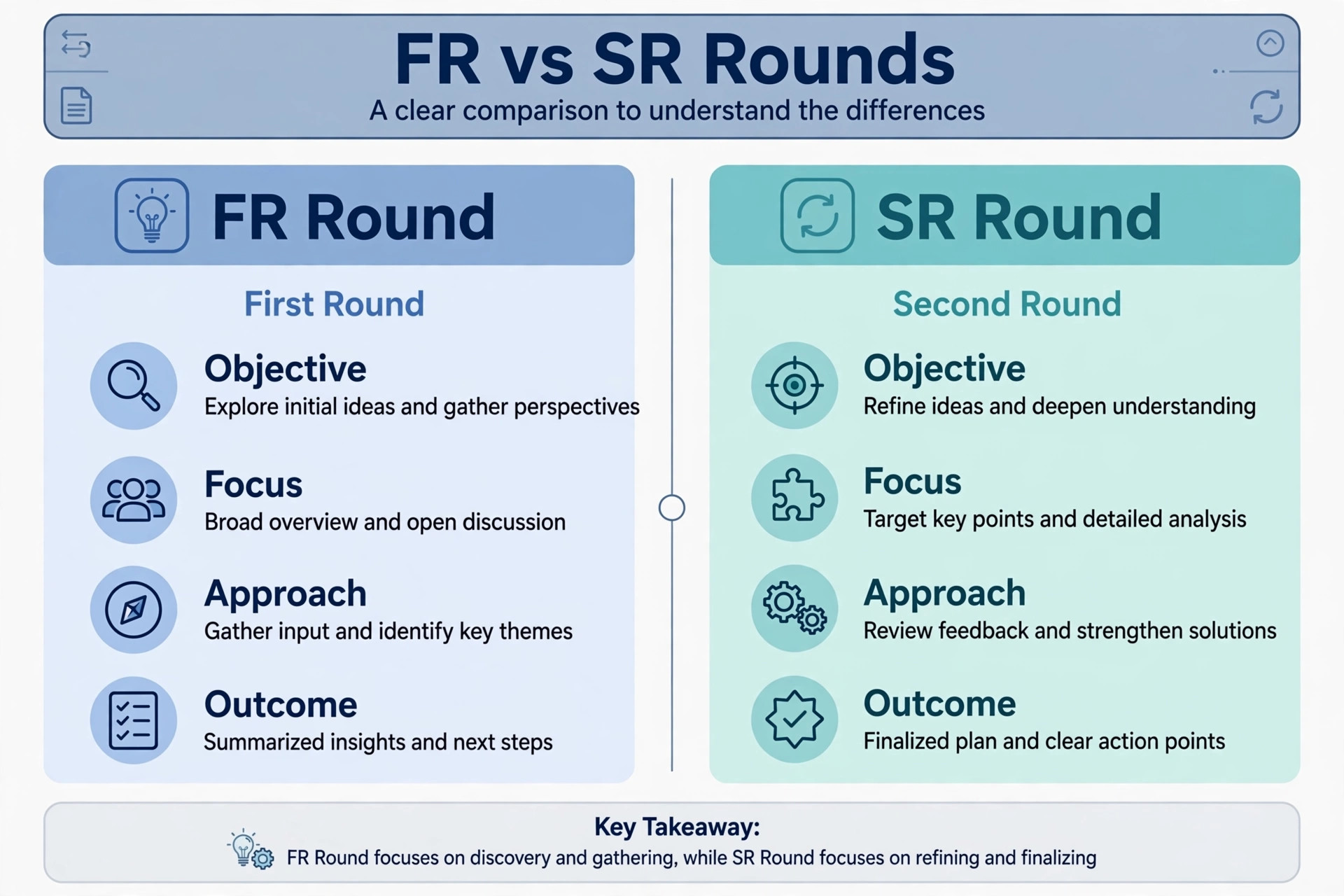
Now we reach the mechanical heart of the question of how teer works. Every playing day in Shillong features two rounds of the game, and each round produces its own separate result. Players buy tickets for a specific round, and a ticket for the first round has nothing to do with the outcome of the second round. Think of it as two separate contests held one after the other on the same day.
Round 1 – The First Round (FR)
The First Round, universally shortened to FR, is the opening contest of the day. Archers take their positions at the shooting line, and on the signal they begin shooting at the target. Each archer shoots a fixed number of arrows, usually described as a set, within the round. The round continues until every participating archer has completed their shooting. Officials then step in to count.
FR is the round most newcomers hear about first, simply because it happens earlier in the afternoon and its result is declared first. Ticket sales for FR close a set time before the shooting begins, and the counters reopen for the second round afterward. If you only want to follow one round as a beginner, FR is the natural place to start, because you can watch the entire process from ticket to declaration in a single afternoon visit or a single round of online result checking.
Round 2 – The Second Round (SR)
The Second Round, or SR, follows after the first round’s result has been declared. It works the same way mechanically: archers shoot, officials count, and the last two digits of the hit count become the result. The archers are largely the same group, the target is the same, and the counting method is identical. The only real difference is that it is a fresh contest with a fresh ticket pool and a fresh result.
Some players prefer SR because they have seen how the day’s shooting is going and feel they understand the conditions better. Others simply play both rounds as a matter of habit. From a rules point of view there is no difference at all. Each round stands alone, each has its own result, and winning in one round does not affect the other.
FR vs SR at a Glance
For easy reference, here is how the two rounds compare:
- Number of rounds per day: two, always FR first, then SR.
- Separate tickets: yes, you buy tickets per round.
- Separate results: yes, each round declares its own two digit result.
- Same archers and target: yes, the setup is identical.
- Same counting method: yes, officials count hits and take the last two digits.
The most important takeaway is independence. Never mix up the rounds when checking results. An FR result card and an SR result card for the same date will usually show different numbers, and that is completely normal.
The Archers – Who Shoots and How
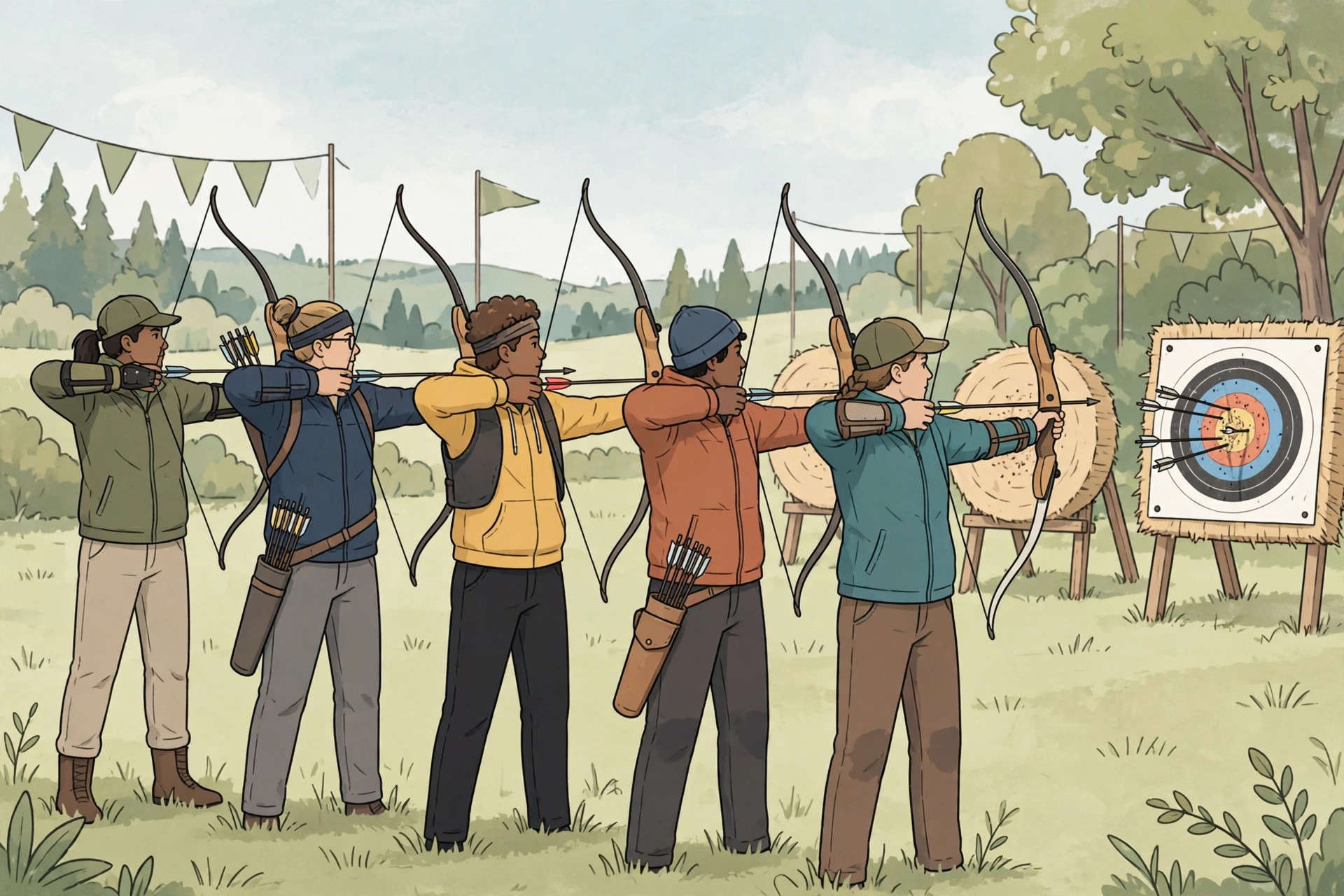
The archers are the engine of the teer game, so understanding who they are and how they shoot is essential to understanding how teer works. Without them there is no contest, no counting, and no result. Everything else in the system, the tickets, the counters, the result boards, exists to serve what happens at the shooting line.
The Archers’ Clubs and the Shooting Ground
The archers who shoot in Shillong Teer belong to local archery clubs. These clubs are the real deal: organized groups that practice the sport year round, compete in tournaments, and treat teer rounds as part of their regular calendar. The Khasi Hills Archery Sports Association coordinates them and oversees the conduct of the rounds, making sure the sporting side stays honest and consistent.
The shooting takes place at a designated ground, most famously the Polo Ground area in Shillong. This is a public, open venue. Spectators can and do gather to watch the shooting happen live, which is one of the strongest trust signals the game has. You are not asked to believe in a number that appeared on a screen. You can stand there and watch the arrows fly.
Bows, Arrows, and the Shooting Line
Teer archers use traditional bamboo bows and bamboo arrows. These are not modern compound bows with sights and stabilizers. They are simple, handcrafted equipment in the Khasi tradition, which means the skill lies entirely in the archer’s eye, stance, and release. The archers stand at a marked shooting line a set distance from the target, and they shoot in a coordinated fashion rather than all at once in chaos.
The target itself deserves a description. It is a tall cylinder, traditionally made of straw bound tightly together, mounted upright. Archers aim at it from the front, and an arrow counts as a hit only if it sticks in the target face. Arrows that miss, fall short, or glance off do not count. This is a strict standard, and it is what makes the count meaningful. A lazy or sloppy shot simply does not register.
How Many Arrows Are Shot in a Round
Each archer shoots a set number of arrows per round. The commonly cited figure is in the range of a few dozen arrows per archer, and with dozens of archers participating, the total number of arrows loosed in a single round runs into the thousands. Not all of them hit. Hit rates vary with weather, light, wind, and the form of the archers on the day, which is exactly why the result is not predictable in advance.
This scale matters for the lottery math. Because thousands of arrows are shot and only the last two digits of the hit count become the result, the outcome behaves like a random two digit number from 00 to 99. The human skill of the archers creates the event, but the exact final count is effectively unpredictable, which is what makes the game a genuine lottery rather than a skill contest for the ticket buyer.
How Results Are Counted and Declared
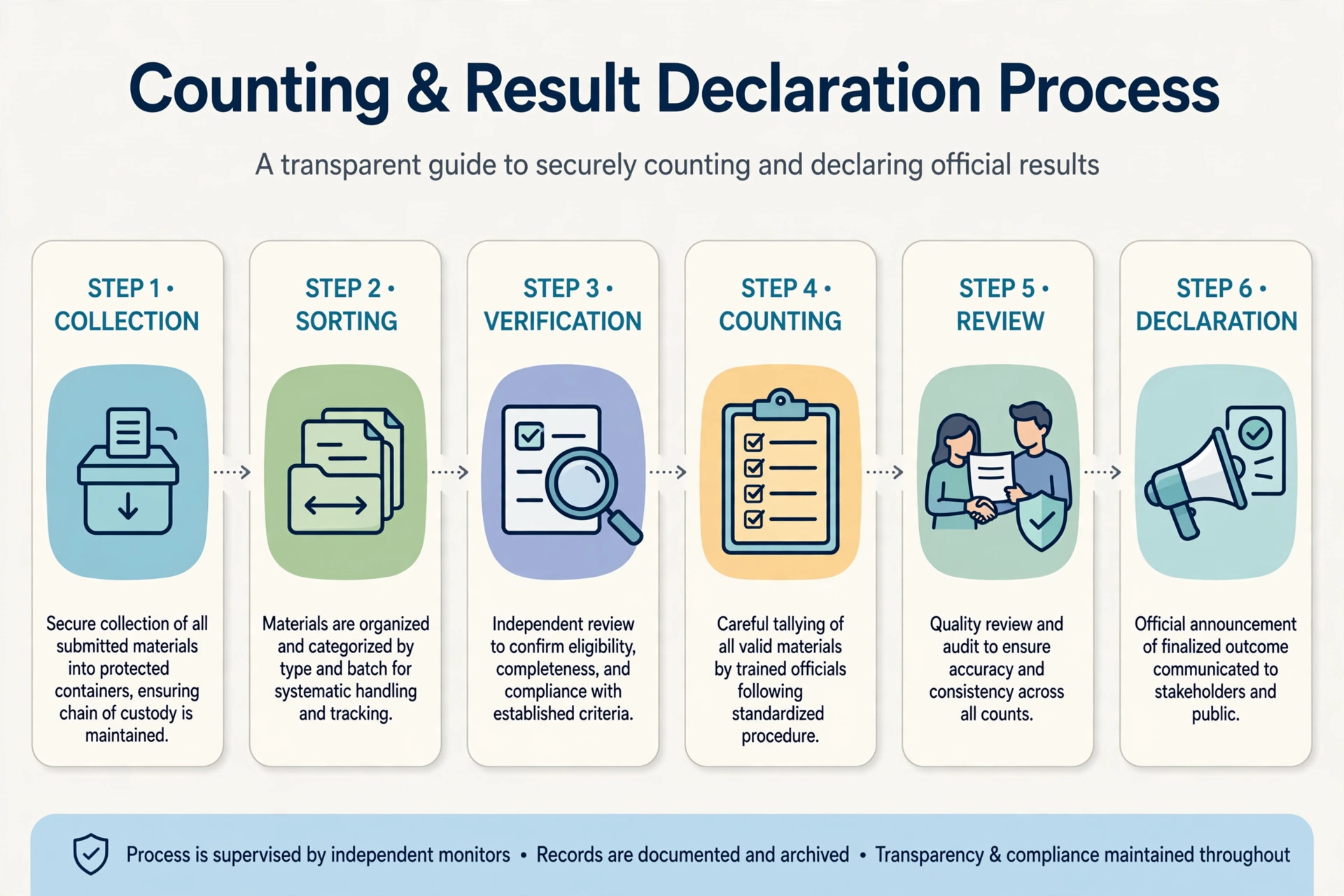
Counting is where the sport becomes a result, and it is the part of the process that beginners ask about most. The procedure is deliberately public and methodical, because the credibility of the entire teer lottery depends on everyone trusting the count.
Counting Every Arrow That Hits the Target
When the shooting ends, officials approach the target and begin counting the arrows embedded in it. This is done carefully and in the open. Each arrow that is stuck in the target face is counted as one hit. Arrows lying on the ground, arrows stuck in the frame or stand, and arrows that bounced off are not counted. The officials tally the hits and arrive at a total, for example a number in the hundreds or low thousands.
The counting is typically witnessed by representatives of the archery clubs and sometimes by onlookers. Disputes are rare because the method is so visual. You can literally see the arrows in the target, and the counting happens where people can watch. This physical, observable process is a big part of why the game has retained public trust for so long.
The Two Digit Result Format
Here is the key rule: the result of the round is the last two digits of the total hit count. The figures in this paragraph are examples only, not real results: if officials counted 847 arrows in the target, the declared result would be 47, and if they counted 1,203 arrows, the result would be 03, usually written as a two digit number. Every possible result is therefore a number from 00 to 99. This is the format you will see on every result card, every result board, and every online listing.
Understanding this rule clears up a lot of confusion. The result is not a score, not a ranking of archers, and not anyone’s guess. It is a mechanical transformation of a physical count. Two rounds on the same day will almost always produce different results because the hit counts differ, and that is expected and normal.
Who Declares the Result and How
Once the count is finalized, the result is declared publicly at the ground. In practice this means the number is announced and displayed on boards for the crowd, and it is then communicated to the licensed counters and result publishers. The declaration is the official moment. Until the officials confirm the count, nothing is final, no matter what numbers are being discussed by spectators.
For online followers, there is always a short gap between the physical declaration and the appearance of the result on websites. Reputable publishers wait for confirmation from the ground rather than rushing out an unconfirmed number. As a beginner, it is worth building the habit of patience: a result that appears a few minutes after declaration time from a trusted source is far better than an instant number from an unknown one.
Shillong Teer Result Timings Through the Day
Timing is one of the most searched aspects of the game, and for good reason. Everything in teer runs on a schedule, and knowing the schedule lets you follow the game without confusion. All times below are in Indian Standard Time, and they describe the usual pattern. Exact minutes can shift slightly with the season and with ground conditions, so treat these as the reliable rhythm rather than a stopwatch promise.
When Each Round Happens in Shillong
The main Shillong Teer session happens in the afternoon. The First Round shooting typically takes place in the mid afternoon, with the FR result declared around 3:45 PM. The Second Round follows, with the SR result generally declared around 4:45 PM. Ticket counters open in the morning and close for each round a little before its shooting begins, so if you intend to participate you need to buy before the cutoff, not during the shooting.
This afternoon slot is the classic teer window that generations of players have built their day around. Shops near the counters see a rush before each cutoff, the ground fills with spectators as shooting time approaches, and then there is a burst of activity as each result is declared. If you are following from elsewhere, these are the two moments in the day when fresh Shillong results appear, and you can watch for them on the Shillong Teer result page.
Morning Sessions and Other Teer Centers
Shillong is the flagship, but it is not the only teer center in Meghalaya, and the morning belongs to the other sessions. A morning teer session, often associated with the same archery tradition, typically declares its rounds around late morning, roughly in the 10:30 AM to 11:30 AM window for its two rounds. Juwai and Khanapara are the other well known centers, each running their own scheduled rounds with their own archers and their own declared results.
Each center is independent. A result declared at Khanapara has nothing to do with the Shillong result for the same day, even though the mechanics are identical. Beginners sometimes mix these up and wonder why three different numbers are all called a teer result for the same date. The answer is simply that they come from three different shooting grounds. Always check which center a result belongs to before comparing it with your ticket.
There is also a night teer session in the evening hours for those who follow it. The principle never changes: two rounds, counted hits, two digit results, declared publicly. Only the clock time differs. You can see the full daily schedule laid out on the Fast Teer Results homepage, where each session’s rounds are published as they are declared.
Sundays and Holidays
Teer does not run every single day of the year. Sundays are traditionally a rest day for the main Shillong session, and there are holiday breaks around major festivals. This is worth knowing so you do not sit waiting for a result on a day when no round is scheduled. A good result page will show no result rather than a stale one on such days, and that blank is information, not an error.
How to Read a Shillong Teer Result Card
Once you know how the game works, reading a result is simple, but the layout can still puzzle a first timer. A result card, whether it is a physical board at a counter or a digital card on a website, always contains the same core pieces of information.
Breaking Down a Result Display
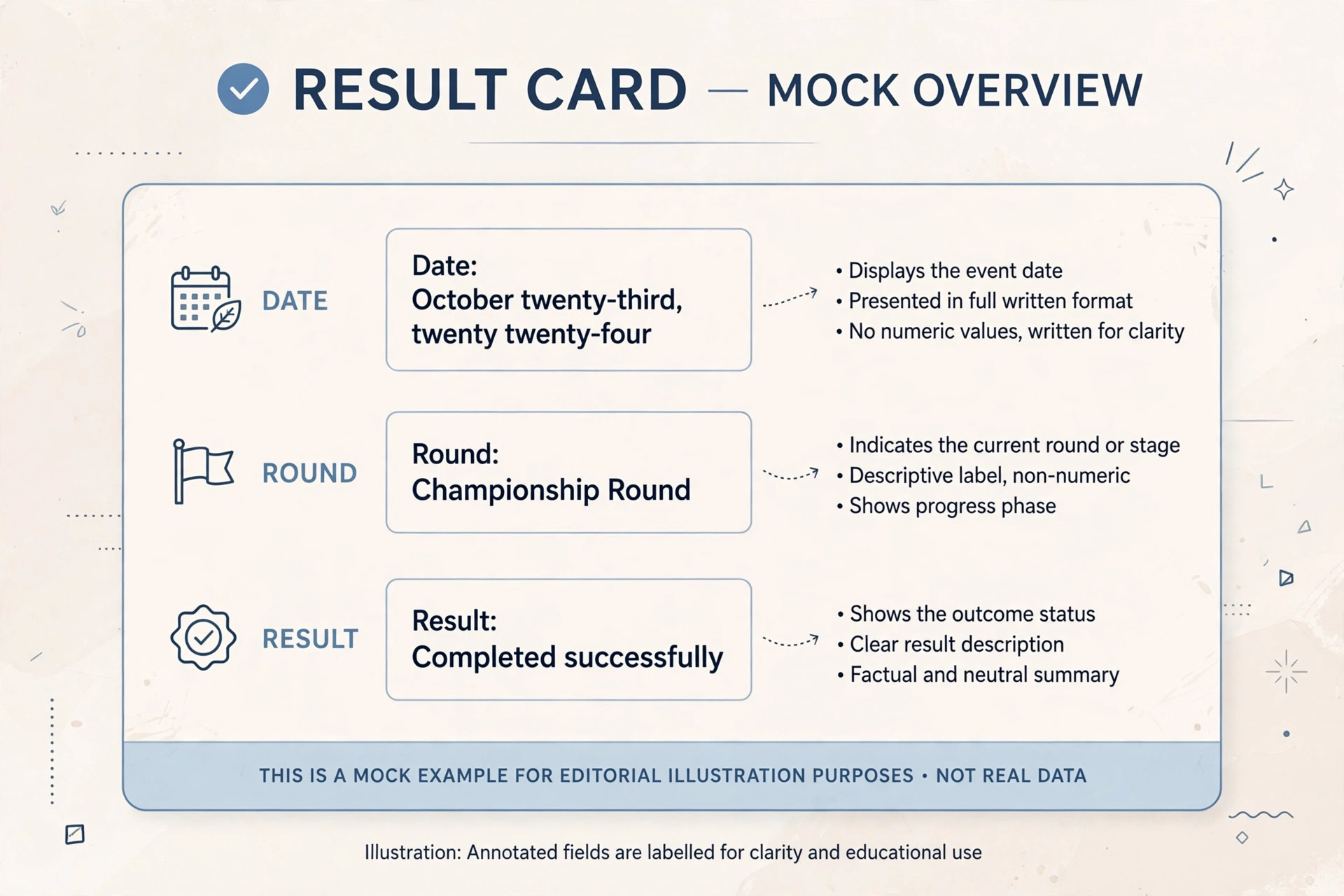
A standard result card shows the center name, the date, the round label, and the two digit result. Imagine a card that reads: Shillong Teer, today’s date, First Round, and then a two digit number. That number is the declared result. A second card for the same date would read Second Round with a different two digit number. Some displays also show the previous day’s results for reference, clearly labeled as history.
When a round has not yet been declared, an honest display shows a placeholder such as “-” instead of a number. That dash is important. It means “not yet declared,” and any site or person showing you a number before declaration time is not showing you a real result. Treat the dash as a trust signal. On this site, undeclared rounds are shown with a placeholder, exactly as they should be, and you can see that convention in action on the Fast Teer Results homepage.
Date, Round Label, and Source Info
Three details separate a useful result card from a confusing one. First, the date must be explicit, because teer results are strictly daily and yesterday’s numbers are useless for today’s tickets. Second, the round label must say FR or SR (or First Round / Second Round), because the two rounds are independent. Third, a trustworthy card tells you which center the result belongs to: Shillong, Juwai, Khanapara, or the morning or night session.
Get into the habit of reading all three before you react to the number itself. A surprising number of beginner complaints turn out to be simple mix ups: checking an SR card against an FR ticket, or reading Khanapara’s result as Shillong’s. The card gives you everything you need to avoid that, as long as you read the labels.
Where to Check Shillong Teer Results
Knowing where to look is the final piece of the beginner’s puzzle. You have two broad options: the physical world of counters and grounds in Meghalaya, and the online world of result pages.
Official Counters and the Shooting Ground
If you are in Shillong, the most direct source is the licensed ticket counter or the shooting ground itself. Counters display the declared results for their customers, and the ground announces them publicly. This is the primary source: everything online is downstream of what happens there. Watching a declaration in person even once is the fastest way to understand the whole system, because you see the shooting, the counting, and the announcement in one continuous sequence.
Online Result Pages Done Right
For everyone outside Meghalaya, online result pages are the practical option. A good one publishes each round promptly after declaration, labels the center, date, and round clearly, keeps a short history so you can verify past results, and never shows numbers before they are declared. That is the standard this site holds itself to. You can follow every round of the day on the Fast Teer Results daily results page, which is updated round by round as declarations come in.
Be cautious with sources that cannot explain where their numbers come from. Red flags include results appearing well before the usual declaration window, no date or round labels, and pages cluttered with prediction content presented as if it were official. The real teer game has no official predictions, only declared results. For background on the game from an independent encyclopedia source, the Teer article on Wikipedia gives a useful overview, and the Shillong article on Wikipedia adds context about the city where it all happens.
Frequently Asked Questions About Shillong Teer
What is Shillong Teer in one sentence?
Shillong Teer is a legal daily archery lottery in Shillong, Meghalaya, where the last two digits of the number of arrows hitting the target become the winning result for each of two daily rounds.
How many rounds of Shillong Teer are played each day?
Two. The First Round (FR) is shot and declared first, usually around mid afternoon, and the Second Round (SR) follows with its own separate result. Each round needs its own ticket, and the two results are independent of each other.
Who are the archers in the teer game?
They are members of local archery clubs in the Khasi Hills, coordinated through the archery sports association. They use traditional bamboo bows and arrows, and many have been shooting since childhood. They are sportspeople first; the lottery is built around their shooting, not the other way around.
How is the winning number decided?
Officials count every arrow stuck in the target after the shooting ends. The result is the last two digits of that total count: if 912 arrows hit, the result would be 12 (example only, not a real result). Arrows that miss the target or fall to the ground are not counted.
What time are Shillong Teer results declared?
The usual pattern is FR around 3:45 PM and SR around 4:45 PM Indian Standard Time, with morning sessions declaring around late morning and a night session in the evening. Timings can shift slightly, so follow a trusted result page on the day rather than relying on memory alone.
Is Shillong Teer legal?
Yes. It operates under Meghalaya state regulation as a licensed lottery, with authorized ticket counters and government oversight. Only play through licensed counters, and remember it is strictly for adults aged 18 and above.
Can I watch a teer round in person?
Yes, and you should if you get the chance. The shooting happens at a public ground in Shillong, spectators are welcome, and the counting and declaration happen in the open. It is the best possible education in how teer works.
Where can I check results if I am not in Meghalaya?
Use a reputable online result page that labels the center, date, and round for every number it publishes and shows a placeholder until each round is declared. Avoid any source that posts numbers before declaration time or mixes prediction content with results.
A Note on Responsible Play
Because this guide explains the teer lottery in full, a clear note is in order. Teer is a legal lottery in Meghalaya, open to adults aged 18 and above only. Like every lottery, it is a game of chance: no strategy, pattern, or prediction can change the outcome of a round. If you choose to participate, set a strict budget you can afford to lose, never chase losses, and treat it as entertainment, not income. If playing stops being fun, stop playing. The archery is beautiful to watch either way, and nobody needs a ticket to enjoy the sport itself.
Conclusion
So, what is shillong teer? It is a daily archery lottery where skilled archers shoot at a traditional target, officials count the arrows that hit, and the last two digits of that count become the result, twice a day, in the open, under state regulation. The FR and SR rounds give the day its rhythm, the counting gives the game its integrity, and the result card gives you everything you need to follow along. Whether you watch from the ground in Shillong or check in online from far away, you now know how the teer game works from the first arrow to the final declaration. Keep this guide bookmarked, follow only trusted result sources, and enjoy one of India’s most distinctive sporting traditions for what it is: archery first, lottery second, and a remarkable piece of Meghalaya’s living culture.