
The assam teer result is the daily declared outcome of the archery based lottery game held at Khanapara, on the edge of Guwahati city. Every playing day, archers shoot rounds of arrows at a target ground, officials count the arrows that hit, and the last two digits of the count become the declared number for that round. For followers across Assam, this result is part of the daily routine, checked in tea stalls, markets, and homes from Guwahati to Dibrugarh. This guide explains where the game comes from, how the Assam version of teer is organized, how to read the result correctly, and how to follow it without falling for fake early numbers.

What the Assam Teer Result Is and Where the Game Is Held
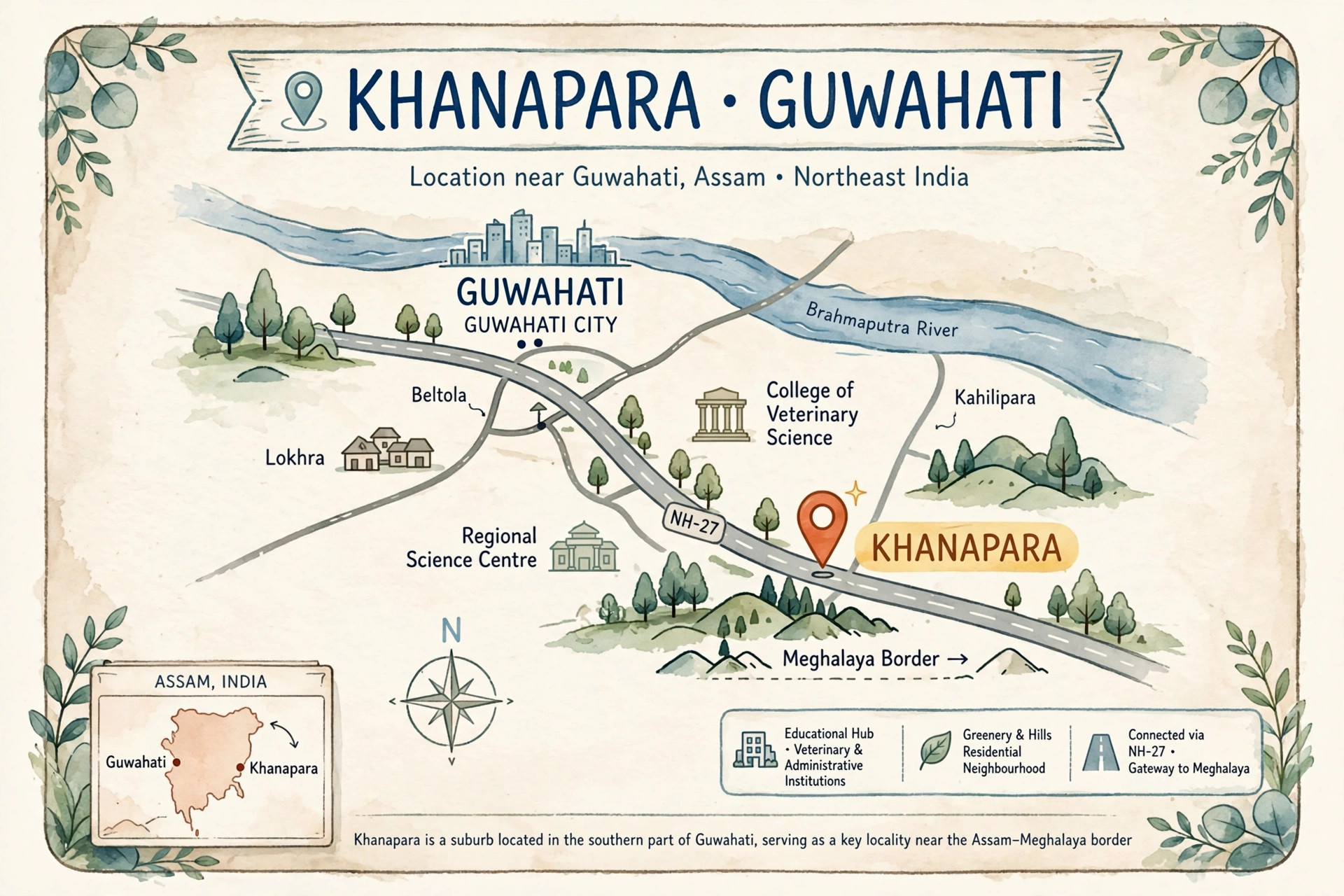
Teer is an archery based lottery conducted in the state of Meghalaya under state supervision. The word teer means arrow, and the game is exactly what the name says: a contest of arrows whose counted hits decide a number. What many people call the Assam teer game is the session held at Khanapara, a locality that sits right on the Assam Meghalaya border, minutes from Guwahati. Because the ground is on the Assam side of daily life for thousands of Guwahati residents, the game picked up its Assam identity naturally, even though it is organized under Meghalaya’s legal framework for teer.
This geography explains why the game matters so much in Assam. Guwahati is the largest city of the Northeast, and Khanapara is effectively one of its neighbourhoods, home to markets, the regional science centre, and busy commercial streets. For residents of Guwahati, the teer ground is not a faraway place; it is a short drive from the city centre. The result of the afternoon archery therefore travels through the city within minutes of declaration, carried by phone calls, messages, and word of mouth long before it appears on printed lists.
It also explains a common point of confusion. Because the game is so deeply woven into Assam’s daily life, newcomers sometimes assume it is an Assam state lottery. In reality, teer is legal and regulated in Meghalaya, and the Khanapara session is one of the recognized teer markets operating under that system. The distinction matters only in one practical sense: the rules, the holidays, and the declaration process follow the teer association’s framework, not Assam’s lottery rules. You can read about the state level framework on the Meghalaya government portal, which publishes information about the state’s administration.
Khanapara: The Assam Side of the Game
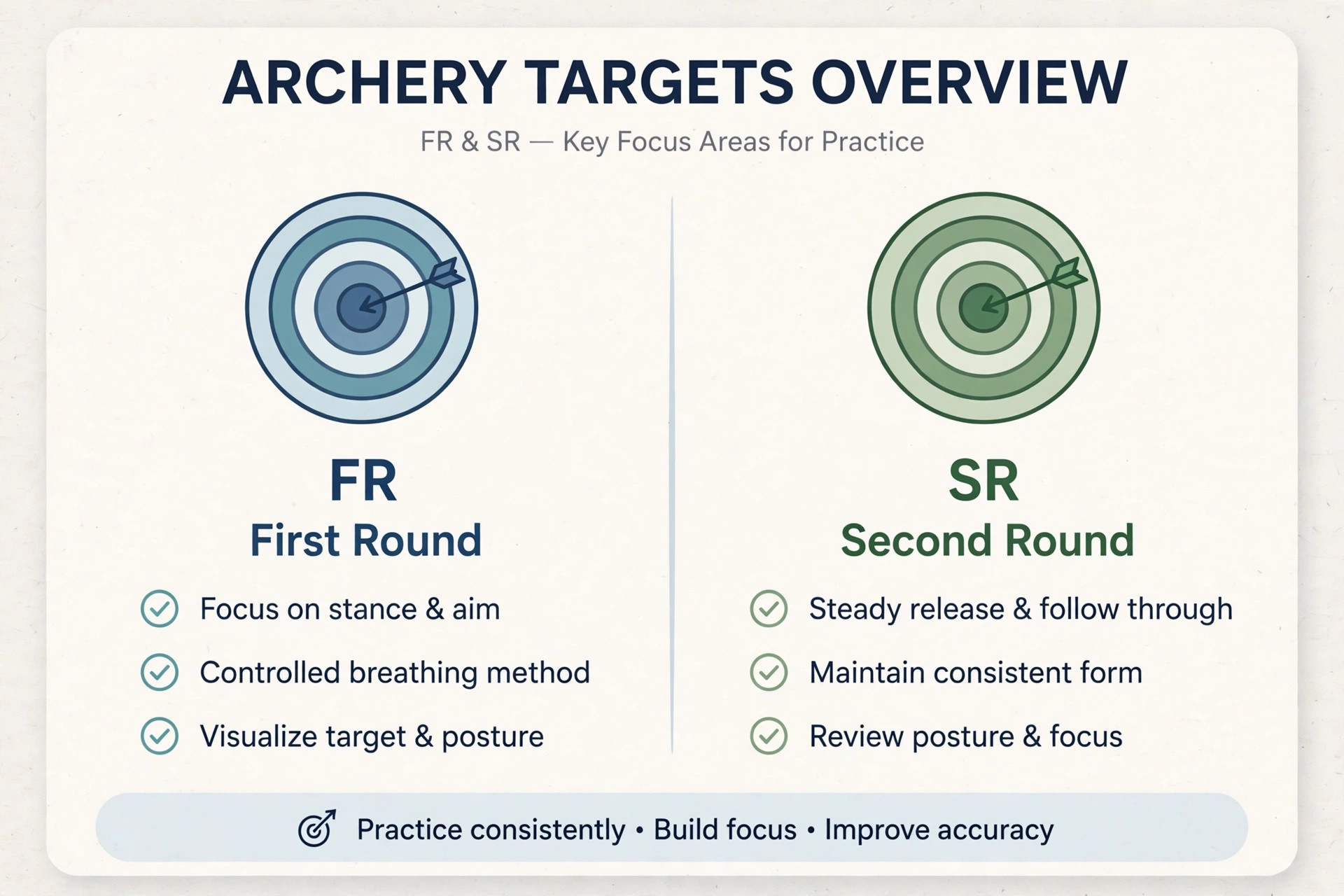
Khanapara deserves its own section because it is the heart of the Assam teer story. The locality sits at the southern edge of Guwahati, where the city meets the hills of Meghalaya. On playing days, the archery ground here hosts the shooting sessions that produce the numbers Assam follows. Dozens of archers, organized into clubs, shoot a fixed number of arrows each at a cylindrical target, and officials count every arrow that strikes it. The count is confirmed, the last two digits are taken, and that figure is declared as the round’s result.
The ground itself is a working sports venue rather than a stadium built for spectators. Archers arrive in the hours before the session, the shooting takes place over a defined period, and then comes the counting, which is the slowest part of the day. Understanding this physical reality helps you understand the result schedule. A declaration cannot happen before the arrows are shot and counted, which is why the result appears at a certain window each day rather than at a fixed minute, and why rain or logistical issues can push it later.
Why Khanapara Became Synonymous With Assam Teer
The Khanapara session earned its Assam identity for a simple reason: accessibility. Guwahati’s residents could reach the ground easily, ticket counters sprang up across the city, and the game became part of Guwahati’s commercial rhythm. Over the years, the phrase “Assam teer” came to mean the Khanapara game in everyday speech, and “Guwahati teer result” became one of the most searched phrases in the region. When this guide says assam teer, it means exactly this: the Khanapara session as followed by its Assam audience.
The Clubs and Archers Behind the Numbers
Behind every declared number are real archers and their clubs. The archers of Khanapara are skilled sportspeople who practice the traditional bow throughout the year, and the clubs they represent are registered with the organizing association. This human element is worth remembering when you look at a result card. The number you see is the residue of an actual sporting contest, counted by hand from real arrows in a real target. That is also why the game has endured: it is a genuine test of archery skill wrapped in a lottery format, and the sporting core of it is visible to anyone who visits the ground on a playing day.
Guwahati and the Daily Teer Rhythm
To understand the assam teer result, you have to understand Guwahati’s day. The city wakes early, markets open by mid morning, and by the time the afternoon session approaches, teer talk is everywhere in certain neighbourhoods. Ticket counters in areas like Paltan Bazaar, Fancy Bazaar, and Ganeshguri see steady footfall through the day, and the declaration windows are the moments when phones come out and conversations pause. The result is not just a number here; it is a social event repeated daily.
This daily rhythm has a practical side for anyone following the game. Because the city runs on the game’s schedule, you will rarely be the only person checking. Tea stalls near the counters often have the latest declared numbers written on boards, and fellow followers will happily tell you whether the FR has been declared yet. But this informal network is also where rumours start. A number heard in a tea stall is not a declared number until it matches what the organized result sources show. Use the city’s buzz as a signal to check, not as the check itself.
The Morning Session in the City
On most playing days there is also a morning session of the Khanapara game, with its own two rounds declared in the late morning. In Guwahati, the morning session has a quieter following than the afternoon main session. Office workers check it on their phones during the mid morning break, and shopkeepers glance at it between customers. The rules are identical to the afternoon: two rounds of archery, FR declared first, SR about an hour later. If you follow both sessions, always keep their numbers separate in your notes. A morning FR is not interchangeable with an afternoon FR, and mixing them is one of the most common mistakes new followers make.
The Afternoon Main Session
The afternoon session is the main event and the one most people mean when they say assam teer result today. Its FR is typically declared in the mid afternoon and its SR follows roughly an hour later, after a fresh round of shooting and counting. This is the session with the biggest crowds at the ground, the most counters selling tickets across the city, and the most attention online. If you are new to the game, start by following only this session until its rhythm feels familiar, then add the morning session if you want the fuller picture.
Understanding the Assam Teer Result Format
Every assam teer result follows the same format, and learning to read it takes only a minute. A complete result for one session shows two numbers: FR for the first round and SR for the second round. Each number is a two digit figure from 00 to 99, derived from the last two digits of the counted arrows. A full playing day with both sessions therefore produces four numbers in total: morning FR, morning SR, afternoon FR, and afternoon SR.
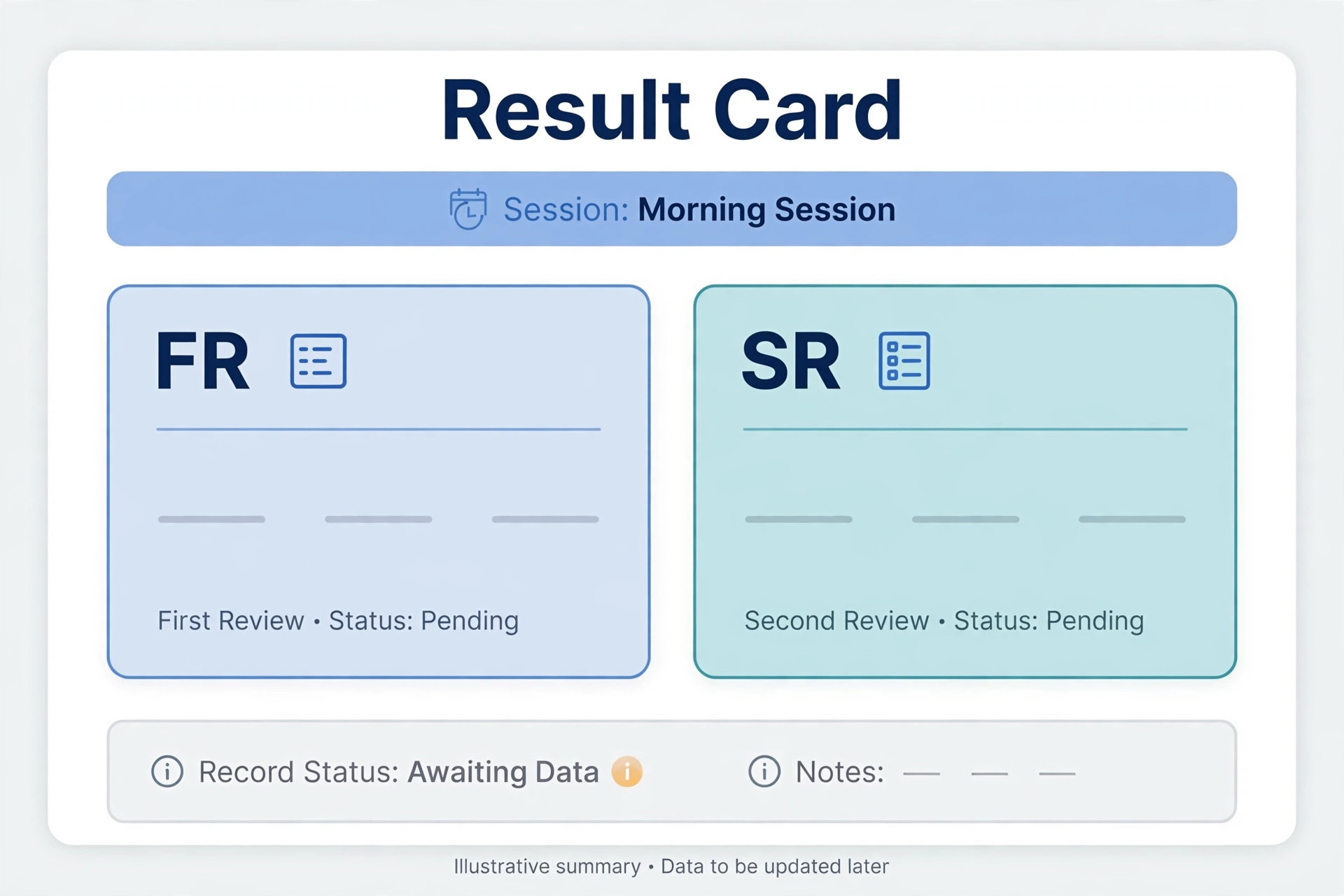
Result cards and result pages present these numbers with labels, and the labels are the most important part of the card. A card that says “Khanapara” or “Assam” with FR and SR boxes refers to this market’s session. Before the rounds are declared, the boxes show the placeholder “-“, which simply means the result is pending. The dash is the honest state of a round that has not finished yet. Any website showing a firm number while the established sources still show the dash is showing you something it cannot possibly know.
FR and SR Are Independent Events
One idea that improves every follower’s understanding is that the two rounds are independent. The FR archery and the SR archery are separate shooting events with separate arrow counts. Nothing about the FR number influences the SR number; the archers start fresh each time. Treating them as linked, or believing that one round’s number hints at the next, is a misunderstanding of how the game works. Each round is its own contest, and the result card shows two separate outcomes that happen to share a date.
Where Assam Players Check the Result Each Day
For the fastest reliable update, keep your checking routine short and consistent. The Fast Teer Results homepage carries the current day’s card with the latest declared numbers, updated as each round is confirmed. The Khanapara teer result page is the dedicated home for this market, keeping the Assam game clearly labelled and separate from other markets. If you follow the morning rounds too, the Khanapara morning teer result page keeps that session on its own page so the two sessions never get mixed up. And the teer result list holds the archive of past days, which is where you go to confirm any older date.
Beyond websites, the declared numbers travel through the city’s own channels. Counters display the latest numbers on boards, local result slips circulate in markets, and messaging groups share updates within minutes. These channels are fast but informal, so treat them as alerts rather than confirmations. When a number matters to you, confirm it against a proper result page before acting on it. Two independent sources showing the same number is the standard for a confirmed result.
A Word on Fake Early Numbers
The single biggest trap for Assam followers is the fake early number. Because demand for the result is so high, some low quality websites publish invented numbers before the archery could possibly have finished, just to capture search traffic. Remember the physical sequence: arrows must be shot, then counted, then confirmed. No legitimate source can know the number before that sequence completes. If a site shows a “confirmed” number while other established pages still show the “-” placeholder, the site is not faster than the others; it is making the number up. The placeholder is honesty. An early number is fiction.
Reading the Result Card Without Mistakes
Even experienced followers misread cards occasionally, so here is a clean method. First, read the market label at the top of the card and confirm it says Khanapara or Assam. Second, read the session label and confirm whether you are looking at the morning session or the afternoon main session. Third, read the date and confirm it is today. Only then read the FR and SR numbers. This four step habit takes five seconds and eliminates nearly every misreading: wrong market, wrong session, wrong date, or a pending dash mistaken for a result.
When you keep personal notes, record all four pieces of information every time: date, market, session, and both numbers. A note that says only a number with no date or session label becomes useless within a week, because you will not remember which round it belonged to. Good record keeping also protects you on delayed days. If a round is very late, mark it as pending in your notes rather than filling in a number you heard somewhere but could not confirm. A blank space in your records is harmless; a wrong number misleads you for much longer.
Holidays and the Weekly Calendar in Assam
The Khanapara game does not run every day. The standard week is six playing days, Monday through Saturday, with Sunday generally observed as a holiday when no archery takes place and no results are declared. Public holidays and major festival days can also pause the game, and these announcements sometimes come at short notice during festival season. On a holiday there is no FR and no SR, so a card full of dashes on a Sunday is completely normal and not a fault with the website you are checking.
This calendar has a direct effect on how you use archives. If you ever wonder whether a result should exist for a particular date, check the teer result list and see whether that date has an entry. A missing date in a well kept archive almost always means the day was a holiday, not that an update was missed. Over time you will internalize the rhythm: six days on, Sunday off, with festival breaks that the whole city seems to know about in advance.
Festival Season in Guwahati
Festival periods deserve special attention because Guwahati celebrates them enthusiastically and the game calendar bends around them. During major festivals, the association may declare holidays that pause the game for a day or more, and announcements can arrive late. If a result is missing on a festival day, check for a holiday announcement before assuming a technical problem. The city’s counters and result boards usually reflect the holiday quickly, since the people running them hear the news first.
How the Assam Game Differs From Shillong and Juwai
Followers who track more than one market sometimes blur the markets together, so here are the clean distinctions. The Shillong teer game is held in Shillong, the capital of Meghalaya, with its own ground, its own archers, and its own declaration windows. The Juwai teer game is held in Jowai in the Jaintia Hills, again with its own ground and schedule. The Khanapara game, the one Assam follows, is the third of these recognized markets, held at the Guwahati edge ground described above.
Each market runs its own archery at its own ground, which means each has its own timing and its own declared numbers. A number declared for Shillong at a given hour has nothing to do with Khanapara’s round, and a Juwai number is not an early or late Assam number. When you look at any result card, the market label tells you which game you are reading. Keeping the markets separate in your mind, and in your notes, is essential. If you follow multiple markets, maintain a separate record for each rather than one mixed list.
The practical consequence is simple: always check the market label first. This site keeps the markets on separate pages precisely so that an Assam follower never has to wonder whether the number on screen belongs to their game. The Khanapara teer result page is the Assam game’s home here, and anything labelled for another market belongs to a different ground and a different contest.
Timing Windows and Delays on the Assam Ground
The declaration follows the archery, so it lands in a window rather than at an exact minute. The afternoon FR typically appears in the mid afternoon and the SR roughly an hour later; the morning session’s rounds appear in the late morning. From day to day the exact minute shifts, and that is normal. The schedule is a framework built around a physical outdoor event, not a broadcast timetable.
Delays happen, and they happen for understandable reasons. Heavy rain during the monsoon months can slow or pause the shooting, since wet conditions affect the archers, the target, and the counting. Large festival crowds can extend the organization time at the ground. Occasional technical or communication issues with confirming the count can add further minutes. None of this means the day’s game is cancelled; it means the declaration arrives later within the session window.
When a round is late, the calm approach works best. Wait fifteen to twenty minutes past the usual window before doing anything, since most delays resolve on their own. Do not refresh obsessively or jump between a dozen sites; that is exactly how fake numbers find you. If the delay stretches beyond an hour, compare two independent result sources and consider whether a late holiday announcement might explain the silence. And remember the golden rule of delayed days: a “-” placeholder on an established page is the truth, while an early “confirmed” number on an obscure page is not.
Ticket Counters and the Ground Experience in Guwahati
For many in Guwahati, teer begins at the counter, not on a website. Licensed ticket counters operate across the city, selling tickets for the day’s rounds before the archery begins. Each counter displays the day’s sessions, and buyers choose their numbers and rounds at the counter itself. Counters close ticket sales before the shooting starts, which is another reason early “results” online are impossible: the game has not even begun when sales close.
Visiting the Khanapara ground on a playing day is an experience in itself. You will see the archers at practice, the clubs preparing, and the quiet concentration of the shooting line. Spectators are welcome in the designated areas, and watching a round gives you a genuine appreciation for the skill involved. If you go, remember that the ground is a sports venue first: respect the archers’ concentration, stay in the spectator areas, and enjoy seeing where the numbers you follow each day actually come from.
A note on buying: tickets are sold only at physical counters, never through websites or messaging apps asking for advance payment. Anyone offering to sell you teer tickets online or promising confirmed numbers for money is running a scam. The legitimate game has no online ticket sales and no one, anywhere, can know a result before the arrows are counted.

Responsible Play for Assam Followers
Teer is a legal lottery game in Meghalaya, conducted under state supervision, and participation is strictly for adults aged 18 and above. Treat it as entertainment with a fixed budget that you can comfortably afford, and never as a way to earn income or recover losses. Decide your spending before the day begins, never borrow money to play, and never chase a loss by spending more in the next round. If following the game ever stops being enjoyable, or if you find yourself spending more than you planned, step away. The archers will still be at the ground tomorrow, and no number is worth financial strain for you or your family.
It is also worth keeping the game in its place socially. In Guwahati the daily teer conversation is part of neighbourhood life, but it should never pressure anyone into playing. Respect friends and family members who choose not to participate, and keep tickets and spending well away from anyone under 18. A healthy relationship with the game is a casual one: check the result, enjoy the ritual, and let the rest of the day belong to everything else.
Frequently Asked Questions
What is the assam teer result?
The assam teer result is the daily declared outcome of the archery based teer game held at Khanapara near Guwahati. Each session produces two numbers, FR for the first round and SR for the second round, each a two digit figure derived from the counted arrows that hit the target. Most playing days have a morning session and an afternoon main session, giving four numbers in total for the day.
Where is the Assam teer game actually held?
It is held at the archery ground in Khanapara, a locality on the southern edge of Guwahati at the Assam Meghalaya border. The game is organized under Meghalaya’s legal framework for teer, which is why it is sometimes described as a Meghalaya game even though its audience and its ground sit in Guwahati’s daily life. The archers, clubs, and officials all operate at this ground on playing days.
What time is the assam teer result declared?
The afternoon main session typically declares its FR in the mid afternoon and its SR roughly an hour later. The morning session, on days it runs, declares its two rounds in the late morning. Exact minutes vary daily because the schedule follows the physical archery event, so experienced followers think in windows rather than exact clock times. Small delays from weather or logistics are normal.
Why does the result show “-” instead of a number?
The “-” placeholder means the round has not been declared yet. You see it before the archery and counting are complete, during delays, and on holidays when no game is held. It is the honest state of a pending round. Be wary of any site showing a firm number while established result pages still show the dash.
Is there an assam teer result on Sundays?
Usually not. Sunday is generally observed as a weekly holiday, so no rounds are held and no numbers are declared. Public holidays and festival days can also pause the game. If a date has no entry in the result archive, it was almost certainly a non playing day rather than a missed update.
Can I buy Assam teer tickets online?
No. Tickets are sold only at licensed physical counters, and sales close before the archery begins. Any website, app, or person offering to sell teer tickets online, or promising confirmed numbers in exchange for money, is running a scam. Never send money to anyone making such offers.
How is the Assam game different from Shillong and Juwai teer?
They are separate markets with separate grounds, archers, schedules, and declared numbers. Shillong teer is held in Shillong, Juwai teer in Jowai, and the Assam game at Khanapara near Guwahati. A number from one market has no connection to another market’s rounds. Always check the market label on a result card before reading the numbers.
Conclusion
The assam teer result is Guwahati’s daily ritual written in arrows: two rounds per session, FR then SR, a morning session and an afternoon main session, six playing days a week with Sunday off, and a ground at Khanapara where real archers decide every number. Follow it with a calm routine, read the market and session labels before the numbers, trust the “-” placeholder over early claims, and keep the game the casual entertainment it is meant to be. Do that, and the Assam teer day will always make perfect sense.