Most lottery and betting games in India live in a grey area, but meghalaya teer is different. It is one of the rare games of chance in the country that has been given a clear, written, state level legal framework. For a reader who wants to go beyond the daily numbers, the real story of this teer lottery in Meghalaya is not the archery at all. It is the legislation. Over five decades, the state has built a layered set of laws that turn a traditional arrow shooting contest into a licensed, taxed and regulated betting event. Readers searching for the teer lottery Meghalaya runs each day often stop at the numbers, but the legal story behind those numbers deserves its own attention. This article walks through that entire framework piece by piece: why teer needed special laws in the first place, what the Meghalaya Prevention of Gambling Act of 1970 actually says, how the 1982 Amendment Act created the licensed bookmaker system, what the 2018 Regulation of the Game of Arrow Shooting and the Sale of Teer Tickets Act changed, how the three laws fit together today, what the Law Commission of India thought of the whole arrangement, and what all of it means for a regular ticket buyer standing at a counter in Shillong. Everything here is grounded in the Acts as they exist on the official record, explained in plain language without legal jargon.
Why Meghalaya Teer Needed Its Own Laws
To understand the legislation, you first need to understand the problem the legislators were trying to solve. Teer did not start as a commercial lottery. It began as a cultural practice of the Khasi community in the hills of Meghalaya, where skilled archers would shoot arrows at a target and onlookers would test their judgment of how many arrows would strike. Over time, small wagers on the outcome became customary, and those wagers slowly organised themselves into something that looked like a daily lottery with counters, ticket sellers and declared results.
The cultural roots of teer
Archery is not a casual hobby in Khasi culture. It is a traditional sport with deep social roots, practised in organised clubs and watched by entire communities. The Khasi Hills Archery Sports Association, which conducts teer today, grew out of this genuine sporting tradition rather than out of the gambling industry. That matters legally, because it gave the state a real reason to treat teer differently from casino games or underground betting. The game being played at the centre of teer is an actual archery contest with real archers, real arrows and a real target, and the betting is placed on a measurable sporting outcome: the number of arrows that hit the target in each round.
The gap between gambling law and teer
Here was the legal problem. The general gambling law of the state, the Meghalaya Prevention of Gambling Act, 1970, made gambling broadly illegal, and a plain reading of that Act would have swept teer right along with every other numbers game. That would have meant criminalising a deeply embedded cultural practice and driving an already popular activity underground, where it would have generated zero tax revenue and zero player protection. The state chose a different path. Instead of banning teer, it built a licensing and regulation framework around it, so that the game could continue openly under government supervision with taxes collected and standards enforced. That decision produced the legal architecture this article examines.
The Meghalaya Prevention of Gambling Act, 1970
The first layer of the framework is the Meghalaya Prevention of Gambling Act, 1970. This is the baseline law, and it does what its name promises: it prohibits gambling in the state.
What the 1970 Act does
The Act lays down the general rule that running or participating in gambling activities is an offence in Meghalaya. It gives the police powers to act against gambling dens and unlicensed betting operations, and it applies across the state. On its own, with no exceptions carved out, this Act would have made every teer counter in Shillong illegal the day it came into force. The legislators who drafted it understood this, which is why they built in a safety valve.
The exemption power and why it matters
The critical feature of the 1970 Act for teer is its exemption mechanism. The Act empowers the state government to exempt specific games from its prohibitions by notifying them. In other words, the law says gambling is banned, except for the games the government expressly permits by notification. This is the legal door through which teer walks. Without this exemption power, every later licensing scheme would have been built on sand, because the underlying act of placing a bet on a numbers outcome would still have been a plain offence. The exemption power turns a general prohibition into a selective one: everything is banned except what the government specifically allows, under conditions the government sets. For the teer lottery in Meghalaya, this distinction is the foundation of its legality. The question “is teer legal” is answered first and foremost by this mechanism: it is legal because the state has exercised its power to permit it as a notified, licensed game rather than leaving it to be judged as ordinary gambling.
The Meghalaya Amusements and Betting Tax (Amendment) Act, 1982
If the 1970 Act is the door, the 1982 Amendment Act is the room you walk into. The Meghalaya Amusements and Betting Tax (Amendment) Act, 1982 is the statute that most directly creates the teer betting industry as it exists today, and its best known provision is Section 14A.
Section 14A in plain language – licensed bookmakers for arrow shooting

Section 14A of the Amendment Act establishes the licensing system for arrow shooting betting. In plain terms, it says that a person may act as a licensed bookmaker for the game of arrow shooting, which expressly includes the game of teer, provided they hold a licence issued under the Act. The licence is not a formality. It is the central legal instrument that separates a lawful teer counter from an illegal betting operation. The licensed bookmaker is the only person the law authorises to receive stakes and pay out prizes on the outcome of the arrow shooting, and operating without that licence brings the activity straight back under the prohibitions of the 1970 Act.
The full text of the Amendment Act is available on the official Meghalaya state portal, and readers who want to read the legal language directly can consult the Meghalaya Amusements and Betting Tax (Amendment) Act, 1982 on meghalaya.gov.in to verify every provision described here.
Stake money, betting tax collection and accountability
The 1982 framework is not only about permission. It is also about money flows and accountability. The Act builds a tax structure around the betting: the licensed bookmaker collects stake money from bettors and is subject to betting tax obligations, which the state uses to monitor and supervise the trade. This is a significant shift in how the state treats teer. It moves the game from a tolerated custom into a regulated revenue stream, with records, tax collection and government oversight. For the licensed counter operator, it means compliance duties: keeping proper accounts, remitting the betting tax and operating within the terms of the licence. For the government, it means visibility into the scale of the game and a fiscal interest in keeping it orderly and honest.
What counts as “arrow shooting” – teer defined
Section 14A is also notable for a definitional point that matters more than it looks. The Act defines licensed bookmakers for arrow shooting and expressly provides that “arrow shooting” includes the game of teer. That sentence does quiet but important legal work. It removes any doubt about whether teer falls within the licensed framework. A lawyer arguing that teer is something other than arrow shooting betting, and therefore outside the licensing scheme, finds the path blocked by the statute itself. Teer is named, folded into the definition, and regulated under it. This is the kind of drafting that turns a cultural practice into a legal category, and it is why the phrase “meghalaya teer act” in everyday speech refers most accurately to this 1982 statute, even though the complete framework spans several laws.
The 2018 Regulation – the Meghalaya Teer Act as a Standalone Statute
For over three decades, the 1982 Amendment carried most of the regulatory weight. Then in 2018, the state enacted the Meghalaya Regulation of the Game of Arrow Shooting and the Sale of Teer Tickets Act, 2018, a dedicated statute for teer in its modern commercial form. If the 1982 Act created the licensing skeleton, the 2018 Act adds muscle to it.
What the 2018 Act changed
The 2018 Act takes teer as a complete game, not just as a betting transaction, and regulates it end to end. It addresses the conduct of the game itself and the sale of teer tickets, which earlier laws had left in less detail. The statute tightens control over how the game is organised, who may run it, and under what conditions tickets may be sold to the public. It reflects a lesson learned over decades of operation: a licensed betting system only protects players and collects tax reliably if the game behind the betting is itself supervised. By regulating the arrow shooting event and the ticket sales in one instrument, the 2018 Act closes gaps that existed when the 1982 Act covered only the bookmaking side.
Regulation of the game itself
One of the practical effects of the 2018 Act is closer supervision of the shooting sessions. The game of teer is conducted under the aegis of the Khasi Hills Archery Sports Association, and the modern framework ensures that the archery contest that produces the result is a genuine sporting event run to a standard, not a stage managed spectacle. Two rounds are shot per session, known as the first round (FR) and second round (SR). Bettors choose a number from 0 to 99 representing the last two digits of the total count of arrows striking the target in each round. The integrity of that count is the integrity of the whole system, and the 2018 regulatory framework is aimed squarely at keeping it honest.
Ticket sale regulation
The 2018 Act also brings the retail side of teer under clearer rules. Teer tickets are the interface between the licensed system and the public, and the Act sets standards for how they may be sold. This is where the law touches the ordinary player most directly. A ticket sold at a licensed counter under the regulated system is a legitimate instrument: it is your evidence of a lawful bet, your claim document if your number comes up, and the state has an interest in making sure the ticket you receive is genuine and properly accounted for in the licensed bookmaker’s records. The sale of tickets outside this regulated channel is what the law is designed to suppress.
How the Three Laws Fit Together – Meghalaya Teer Today
Looked at as a whole, the three statutes form a coherent chain, and understanding the chain is the key to understanding the legality of meghalaya teer.
A single chain from tradition to licence
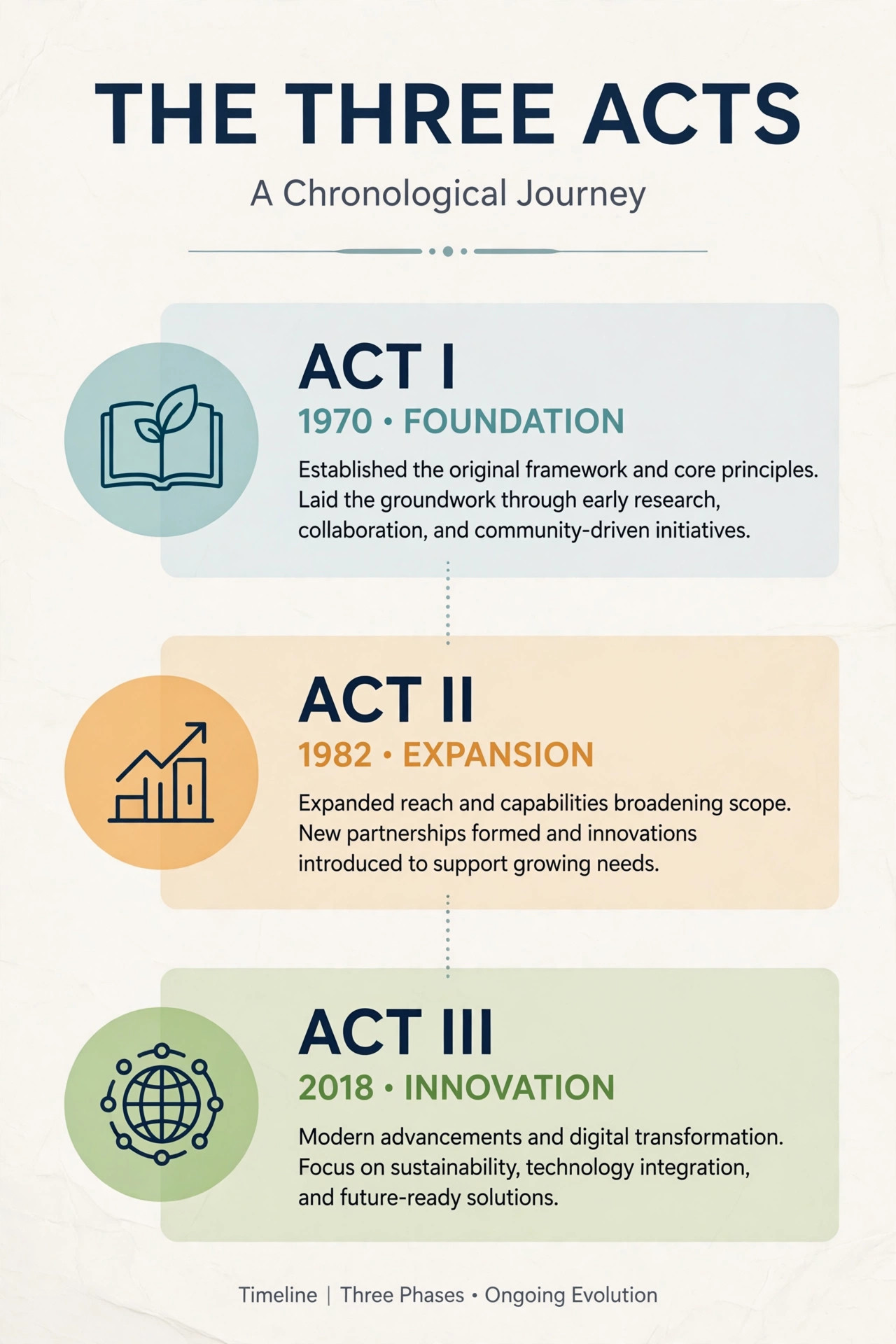
The logic runs like this. The 1970 Prevention of Gambling Act bans gambling generally but gives the government the power to exempt notified games, which is the legal basis for treating teer differently from unlicensed betting. The 1982 Amendment Act, through Section 14A, builds the licensing regime for arrow shooting bookmakers, defines teer as part of arrow shooting, and creates the tax and accountability structure around stake money. The 2018 Act then completes the picture by regulating the conduct of the game itself and the sale of tickets to the public, ensuring that both the event and the retail channel meet a legal standard. None of the three laws alone would be enough. The 1970 Act without the later statutes would be a ban. The 1982 Act without the exemption power of the 1970 Act would rest on a doubtful foundation. The 2018 Act without the licensing machinery would be regulation with no licensed entities to regulate. Together they are a complete system: permission, licensing and taxation, then game and retail regulation.
Why the layered approach works
The layered design also makes the system adaptable. Because permission sits in the exemption mechanism and detail sits in later statutes, the state can update the rules of the game, for example through the 2018 Act, without reopening the fundamental question of whether teer is permitted at all. That stability is valuable for everyone involved: the licensed bookmakers who invest in counters, the archers and the association who run the events, the state that collects the betting tax, and the players who want to know the game they are playing is lawful. If you check daily timings and results on the teer result list here on Fast Teer Results, you are looking at the public face of this licensed system.
The Law Commission of India Perspective – Report No. 276
The Meghalaya framework is distinctive enough that it has attracted attention at the national level. The Law Commission of India, in its Report No. 276 on the legal framework for gambling and sports betting in India, discusses the Meghalaya arrangement as part of its survey of how different states handle games of chance. The report examines the licensing of teer under the state Acts and treats the Meghalaya model as a working example of a state level regulatory approach to a game that mixes sporting skill with betting.
Readers who want the national perspective can read the Law Commission of India Report No. 276, Meghalaya section on advocatekhoj.com, which reproduces the report’s discussion of the framework.
What the Commission found notable
The significance of the Commission’s treatment is not that it endorsed every detail of the Meghalaya system, but that it recognised it as a serious regulatory model rather than a tolerated anomaly. National discussions of gambling reform in India often struggle with the question of what a workable state level system looks like, and Meghalaya’s answer has been to licence, tax, supervise the game itself, and regulate ticket sales, all under written statute. For a state government considering how to handle a similar traditional game, the Commission’s discussion of the Meghalaya teer framework is the natural reference point. For the reader, it confirms something important: the legality of teer in Meghalaya is not a local rumour or a loophole. It is a documented legislative system that has been studied at the highest advisory level of Indian law reform.

What the Law Means for a Regular Meghalaya Teer Ticket Buyer
All of this legislation can feel distant from the daily act of buying a ticket, so here is what it means in practice for an ordinary player. These are the essentials a buyer should carry in mind.
Is teer legal for you to play
Yes, within the licensed system. Teer betting in Meghalaya is licensed under Section 14A of the 1982 Amendment Act, the game and ticket sales are further regulated under the 2018 Act, and the underlying permission rests on the exemption power of the 1970 Prevention of Gambling Act. That means playing at a licensed counter, with a proper ticket, for a game conducted under the aegis of the Khasi Hills Archery Sports Association, is lawful. What is not lawful is betting with unlicensed operators, playing games run outside the regulated system, or treating teer rules as optional. The legality you enjoy as a player is the legality of the licensed channel, so staying inside that channel is the entire rule.
What a legal teer prize looks like
The prize for a winning teer ticket is a fixed multiple of the stake, set by the licensed counter according to its published terms. Keep prize expectations general and grounded in what the counter actually pays: do not assume a particular multiplier as a legal guarantee, and always confirm the payout terms at the counter before you play. The ticket you hold is your claim document, so keep it safe until results are declared and verified. The licensing system exists precisely so that a winning ticket is honoured, and a licensed counter that refused a genuine winning ticket would be in breach of the regulatory standards it operates under.
Teer rules you are expected to follow
The teer rules for players are simple and non negotiable. Play only if you are an adult aged 18 or above. Buy your ticket only from a licensed counter. Keep the ticket until you have checked the result. Do not buy tickets for rounds that have already closed. And remember that teer is a game of chance on the last two digits of the arrows hitting the target in each round; no reading of the law, the history or the results can turn it into a predictable event. If you want background on the people and purpose behind this site, read our about us page, and if anything here needs clarification, reach us through the contact us page.

FAQs About Meghalaya Teer Law
Is teer legal in Meghalaya
Yes. Teer is legal in Meghalaya because it is a licensed game, not because gambling is generally permitted. The Meghalaya Prevention of Gambling Act, 1970 bans gambling but lets the government exempt notified games; teer betting is then licensed under Section 14A of the Meghalaya Amusements and Betting Tax (Amendment) Act, 1982, which covers licensed bookmakers for arrow shooting including teer; and the Meghalaya Regulation of the Game of Arrow Shooting and the Sale of Teer Tickets Act, 2018 further regulates the game and ticket sales. Playing at a licensed counter inside this framework is lawful.
What is Section 14A of the 1982 Act
Section 14A is the provision that creates the licensed bookmaker system for arrow shooting in Meghalaya. It provides for licensed bookmakers for the game of arrow shooting and expressly states that “arrow shooting” includes the game of teer. In practical terms, it is the section that turns a teer counter from an illegal betting shop into a licensed business: only a person holding a licence under the Act may lawfully receive stakes and pay prizes on the outcome of the shooting.
What did the 2018 Meghalaya Teer Act change
The 2018 Act, formally the Meghalaya Regulation of the Game of Arrow Shooting and the Sale of Teer Tickets Act, added a dedicated layer of regulation over the conduct of the game itself and the sale of teer tickets to the public. Where the 1982 Act had built the licensing and tax framework for bookmakers, the 2018 Act regulates the event and the retail channel, tightening standards for how the shooting is organised and how tickets are sold.
Does the 1970 Gambling Act ban teer
No, not as teer is actually played today. The Meghalaya Prevention of Gambling Act, 1970 does prohibit gambling generally, but it contains an exemption power that lets the government notify specific games as exempt from the prohibition. Teer is conducted as a licensed, notified game within that exemption, so the 1970 Act functions as the legal basis for permission rather than as a ban on teer.
Who conducts the teer game under the law
Teer is conducted under the aegis of the Khasi Hills Archery Sports Association. The association’s role connects the modern regulated game to its origins as a traditional Khasi archery sport, and the regulatory framework expects the shooting events that determine results to be genuine, properly organised archery contests.
How do the FR and SR rounds work under the rules
Each teer session consists of two rounds, called the first round (FR) and second round (SR). In each round, a set number of archers shoot arrows at a target, and bettors choose a number from 0 to 99 representing the last two digits of the total number of arrows that hit the target. For illustration only, a written format might appear as “-” (example only, not a real result). The two digit result of each round is declared separately, and each round is a separate betting event with its own ticket and its own result.
What did the Law Commission of India say about the Meghalaya teer framework
In Report No. 276 on the legal framework for gambling and sports betting in India, the Law Commission discussed the Meghalaya licensing arrangement as part of its survey of state level approaches. The report treats the Meghalaya model as a working example of state level regulation of a game combining sport and betting, which is why it is frequently cited in national discussions of gambling law reform.
Is there an age limit for playing teer
Yes. Teer is for adults aged 18 and above only. The responsible play note applies to the whole framework: teer is a legal lottery in Meghalaya for adults 18+ only, and players should play responsibly, stake only what they can afford to lose, and treat the game as entertainment rather than income.
Conclusion
The story of the Meghalaya teer acts is the story of a state choosing regulation over prohibition. The 1970 Act drew the general line against gambling while leaving room for notified exceptions. The 1982 Amendment built the licensed bookmaker system, the tax structure and the definition that names teer outright. The 2018 Act completed the framework by regulating the game and the ticket sales the public actually sees. Studied by the Law Commission of India and operating in the open every day, this is one of the most clearly legalised betting systems in the country and the best documented meghalaya lottery of its kind. For the regular ticket buyer, the takeaway is simple: play at licensed counters, keep your ticket, respect the 18+ rule, and you are inside a system the law has deliberately built for you. For fast daily result updates alongside this legal background, the Fast Teer Results homepage keeps the numbers current every session.
A final note on responsible play: teer is a legal lottery in Meghalaya for adults aged 18 and above only. Play responsibly, never stake money you cannot afford to lose, and if playing stops being fun, step away.